Nationwide housing order imposed as bird flu cases surge

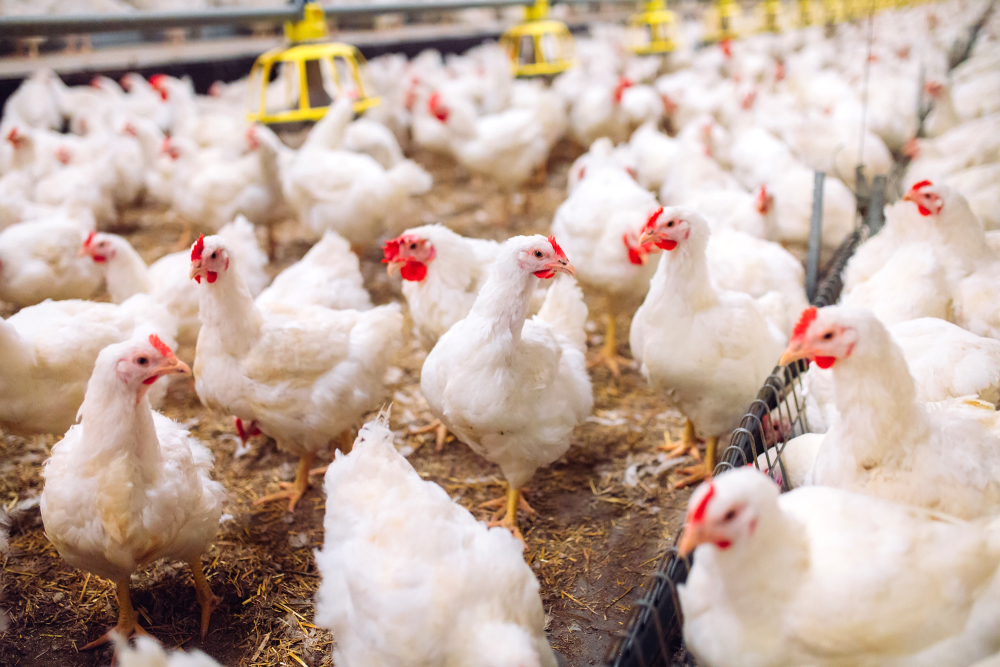
All poultry and captive birds in England must be housed indoors from Thursday (6 November), after the government extended mandatory bird flu measures nationwide.
NewsSuppliersSustainability

All poultry and captive birds in England must be housed indoors from Thursday (6 November), after the government extended mandatory bird flu measures nationwide.

The decision by the Department for Environment, Food, and Rural Affairs comes as cases of avian influenza continue to rise sharply in both wild and kept flocks.

Chief veterinary officer Christine Middlemiss, confirmed the order will apply to all keepers with more than 50 birds, or anyone who sells or gives away eggs, with limited exemptions for some zoo birds.

The national housing order also follows last week’s regional measures across parts of northern, central and eastern England.

It sits alongside the existing ‘GB-wide Avian Influenza Prevention Zone’, which requires strict biosecurity, including disinfection of footwear and housing, vermin control, record-keeping and restricted movement of people and vehicles.


Subscribe to Grocery Gazette for free

Sign up here to get the latest grocery and food news each morning


Middlemiss said the step was “difficult but necessary” to slow the spread of the disease.

“We know from previous years that housing birds will bring infection rates down from the high we are currently experiencing,” she said, thanking the poultry industry for its continued cooperation.

Defra said the risk to human health remains low, and properly cooked poultry and eggs remain safe to eat. However, the housing order will remain in place until further notice, with regular reviews by government vets.

Farmers are urged to stay alert for symptoms and report any suspected cases to the Animal and Plant Health Agency.

In February, almost 1.8 million farmed and captive birds were culled over three months, in response to 33 outbreaks of the virus recorded on farms.

NewsSuppliersSustainability

Leave a Reply

Your email address will not be published. Required fields are marked *

Fill out this field
Fill out this field
Please enter a valid email address.

Nationwide housing order imposed as bird flu cases surge
All poultry and captive birds in England must be housed indoors from Thursday (6 November), after the government extended mandatory bird flu measures nationwide.
NewsSuppliersSustainability

Social

SUBSCRIBE TO OUR DAILY NEWSLETTER

  • This field is for validation purposes and should be left unchanged.

Most Read

All poultry and captive birds in England must be housed indoors from Thursday (6 November), after the government extended mandatory bird flu measures nationwide.

The decision by the Department for Environment, Food, and Rural Affairs comes as cases of avian influenza continue to rise sharply in both wild and kept flocks.

Chief veterinary officer Christine Middlemiss, confirmed the order will apply to all keepers with more than 50 birds, or anyone who sells or gives away eggs, with limited exemptions for some zoo birds.

The national housing order also follows last week’s regional measures across parts of northern, central and eastern England.

It sits alongside the existing ‘GB-wide Avian Influenza Prevention Zone’, which requires strict biosecurity, including disinfection of footwear and housing, vermin control, record-keeping and restricted movement of people and vehicles.


Subscribe to Grocery Gazette for free

Sign up here to get the latest grocery and food news each morning


Middlemiss said the step was “difficult but necessary” to slow the spread of the disease.

“We know from previous years that housing birds will bring infection rates down from the high we are currently experiencing,” she said, thanking the poultry industry for its continued cooperation.

Defra said the risk to human health remains low, and properly cooked poultry and eggs remain safe to eat. However, the housing order will remain in place until further notice, with regular reviews by government vets.

Farmers are urged to stay alert for symptoms and report any suspected cases to the Animal and Plant Health Agency.

In February, almost 1.8 million farmed and captive birds were culled over three months, in response to 33 outbreaks of the virus recorded on farms.

NewsSuppliersSustainability

Leave a Reply

Your email address will not be published. Required fields are marked *

Fill out this field
Fill out this field
Please enter a valid email address.

RELATED STORIES

Most Read

Latest Feature

Menu

Please enter the verification code sent to your email: