
Supermarkets could ditch alcohol promotions as weight-loss jabs hit demand
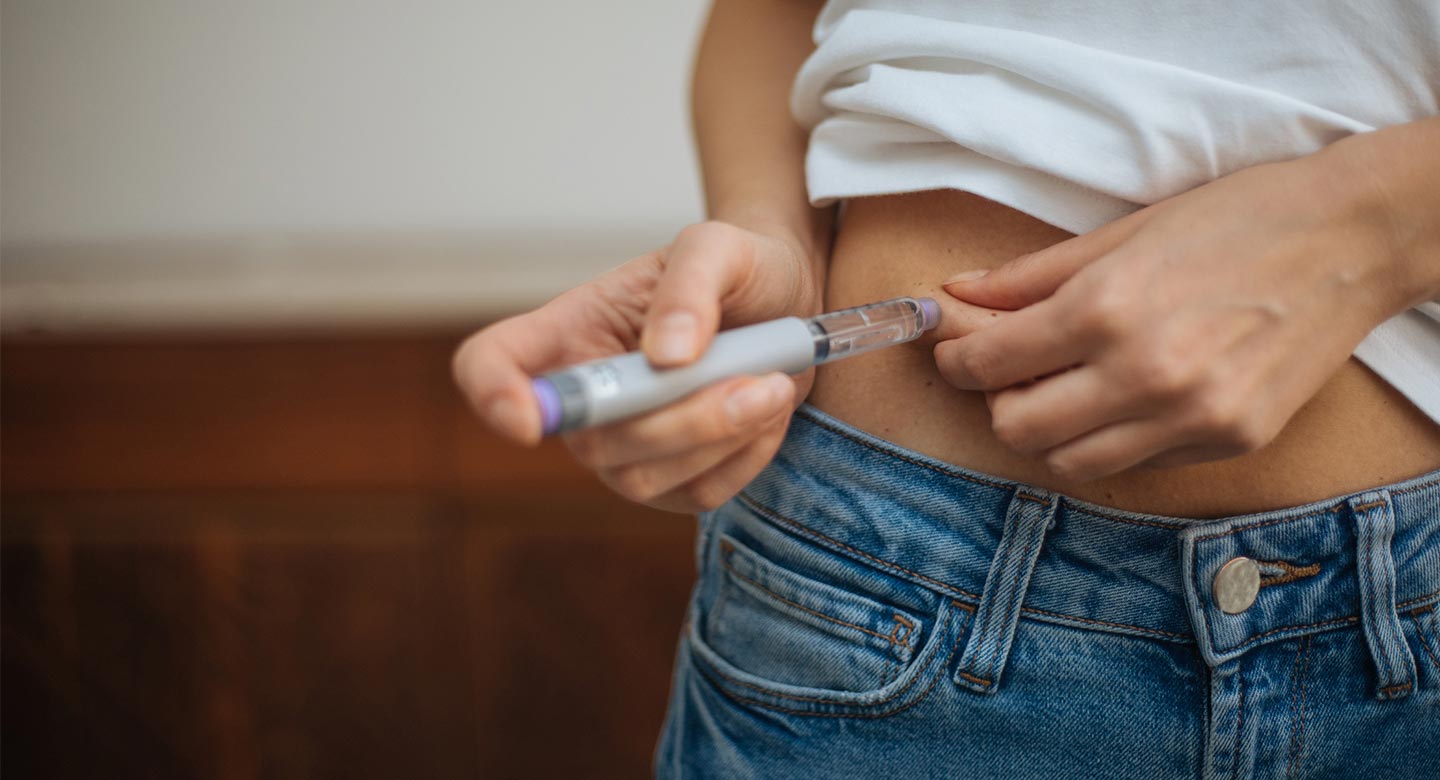
Supermarkets could well scale back alcohol promotions and reduce shelf space for beer and wine due to the rise of weight-loss drugs, according to a leading retail analyst.
Shore Capital analyst Clive Black warned that traditional alcohol deals could become less effective at attracting shoppers, with drugs such as Mounjaro and Wegovy accelerating a wider decline in drinking.
Black told The Times that supermarkets may need to rethink how they use alcohol to drive footfall, potentially moving away from prominent displays of discounted beer and wine as demand weakens.
The change could see grocers dedicate more space to healthier products, including fresh meat, fruit and vegetables, while reducing their reliance on alcohol and indulgent food categories.
Research from consultancy KAM, conducted in partnership with Drinkaware, found that people taking GLP-1 weight-loss medication reduced how frequently they drank alcohol by 29 per cent, from 3.1 days to 2.2 days per week.
Average weekly alcohol consumption also fell 16 per cent, while spending on alcohol for home consumption dropped 22 per cent.
Black suggested that consumers could increasingly choose to drink smaller quantities of more premium products rather than buying alcohol in bulk.
Tesco chief executive Ken Murphy, recently predicted a similar rising trend, stating that he foresees a more moderate Christmas as shoppers increasingly turn to low and no-alcohol alternatives.
Murphy said growing interest in healthier lifestyles was influencing purchasing decisions, with demand also increasing for smaller portions, protein-rich products and nutritionally balanced meals.
The impact of weight-loss medication is already being felt across the grocery sector.
Research from Worldpanel by Numerator previously estimated that households using GLP-1 drugs spend £418 less annually on food and drink than those not taking the medication.
Sign up here to get the latest grocery and food news each morning