

Asda finds low earner spending power falling as energy bills rise
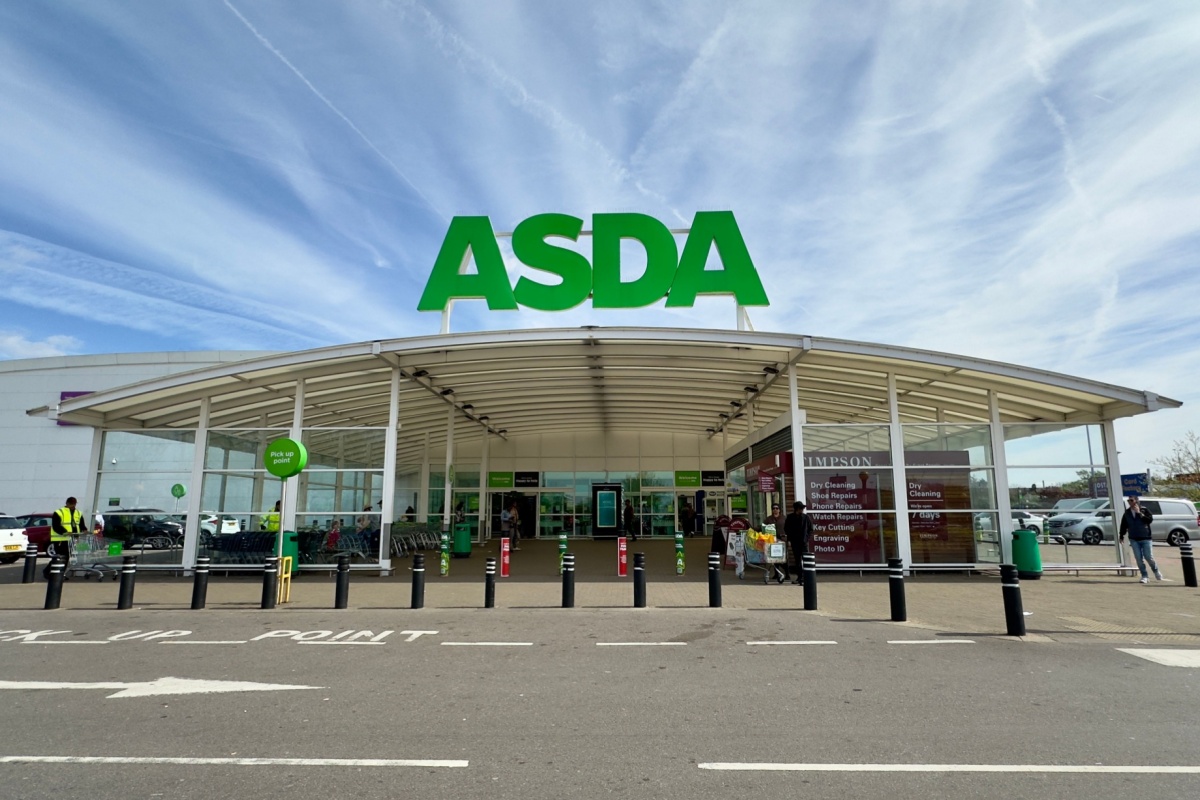
The UK’s lowest-earning households were the only income group to see their spending power fall over the past year, Asda’s latest Income Tracker found.
Households in the lowest-earning fifth were left with a £71 weekly shortfall in July as rising energy and essential costs continued to squeeze budgets.
The gap in disposable income between the highest- and lowest-earning households widened by £30 a week compared with the previous year.
Essential costs rose 3.6 per cent in July, up from 3.1 per cent in June, marking their first acceleration since March.
The figures came as UK inflation increased to 2.9 per cent in July from 2.6 per cent in June, with household energy bills among the main drivers of the rise.
Energy inflation climbed to 4.6 per cent from 1.2 per cent a month earlier following the latest Ofgem energy price cap reset.
Asda said households in the lowest-earning group had an average income of around £11,000 and spent a greater proportion of their earnings on essentials.
Under-30s were also particularly exposed to rising costs, with essentials accounting for 68.2 per cent of their gross income.
By contrast, gross incomes among those aged 65 to 74 rose 4.8 per cent, while incomes for people aged 75 and over increased 5 per cent.
Cebr head of forecasting and thought leadership Sam Miley said non-energy price growth had slowed across several essential categories, including food and transport.
He added: “The extent to which this continues will be key to the outlook for the Income Tracker.”
Household budgets could face further change when the Ofgem energy price cap is reset again in October, although the removal of VAT on energy bills is expected to offer some relief.
Sign up here to get the latest grocery and food news each morning