
MPs demand supermarket fines and fruit at checkouts in obesity crackdown

inflation
News

Supermarkets could face fines for failing to increase healthy food sales under sweeping proposals put forward by MPs to tackle Britain’s worsening obesity crisis.

The Health and Social Care Committee has called for mandatory healthy sales reporting to be introduced immediately, with legally enforceable targets set for major supermarkets within the next 12 months.

Targets should be extended to other large food businesses before the end of the current Parliament, with the Food Standards Agency potentially given powers to impose penalties on companies that fail to comply. Money raised through fines could be used to make healthier food cheaper, MPs suggested.

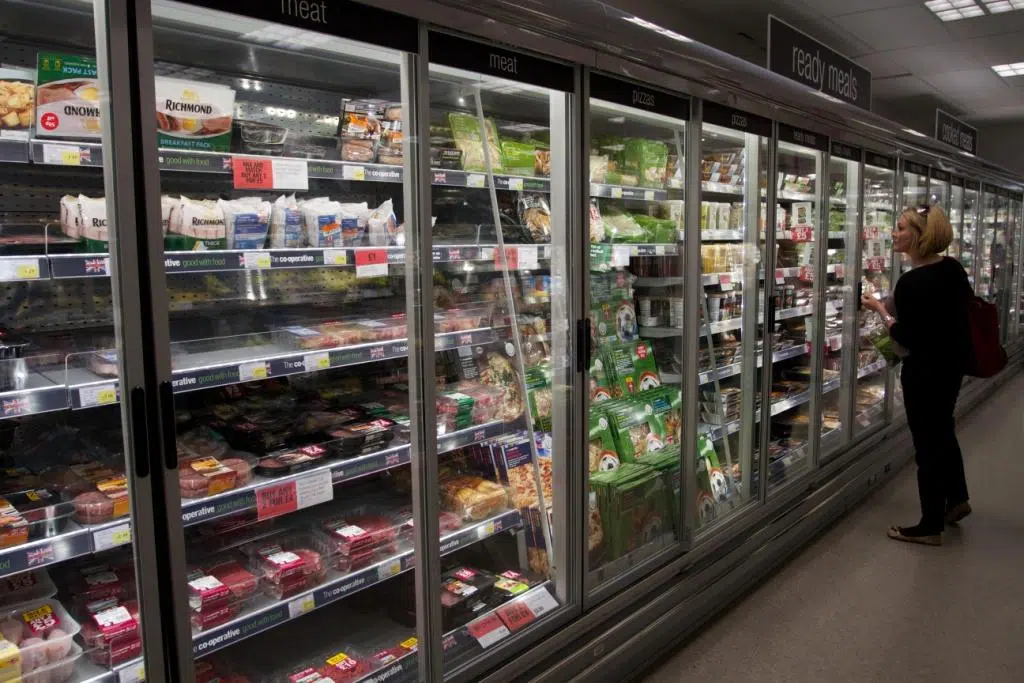
The cross-party committee also urged ministers to require supermarkets to prominently display fruit and vegetables at store entrances and checkouts.

Online grocery special-offer pages should be covered by existing product-placement rules, preventing retailers from using the pages to give unhealthy products disproportionate prominence. The changes should be introduced no later than January 2027, according to the report.

Committee chair Layla Moran said shoppers were facing a “constant bombardment” of promotions and advertising across screens, high streets and stores.

She said: “We ask this government to be bold, not to fudge and delay food restrictions. While we acknowledge the costs of policy changes to the food industry, these are marginal compared to the huge costs of inaction on obesity to society, the economy and the health service.”

The committee said retailers should also be forced to disclose what proportion of their promotions are offered on healthier products, such as fruit and vegetables, compared with foods high in fat, salt and sugar.

Research cited in the report found that 40 per cent of food price promotions across six major retailers were still attached to HFSS products in November 2025, one month after restrictions on multibuy offers came into force.

The proportion of HFSS promotions using straightforward price reductions increased from 43 per cent in March 2024 to 48 per cent in November 2025, suggesting retailers had shifted their promotional activity away from restricted multibuy deals.

Tesco, Sainsbury’s, Aldi and Asda told the inquiry that they supported mandatory healthy sales reporting, arguing that a shared metric would improve accountability and create a level playing field.

However, Asda warned against measures that could increase operating costs and ultimately raise shelf prices. MPs said the position was inconsistent with supporting mandatory reporting while opposing measures to enforce it.

The committee also rejected supermarket concerns about implementing the updated 2018 nutrient profiling model, which would determine which products are covered by HFSS advertising and promotion restrictions.

Asda raised concerns about the difficulty of calculating free sugars, while manufacturers warned that some reformulated products could lose the ability to be advertised.

However, MPs said the model currently used by the government was almost 22 years old and based on outdated scientific advice. They called for the 2018 system to be introduced by the end of 2027 and reviewed every decade thereafter.

The report also recommended introducing mandatory front-of-pack nutritional labelling by January 2028, using the familiar traffic-light system already voluntarily adopted by many supermarkets and manufacturers.

MPs called for changes to the Healthy Start scheme, including annual increases linked to food inflation and extending eligibility to all children in Universal Credit households.

The proposals form part of a broader package calling for an outdoor advertising ban on HFSS products by July 2027 and potential restrictions covering sports sponsorship, social media, gaming and promotional notifications sent through food delivery apps.

The committee said supermarkets and delivery businesses needed to put the same “effort, imagination and resource” into selling affordable healthy food as they currently put into promoting cheap, less healthy products.

It warned that 66 per cent of adults in England were living with obesity or excess weight in 2024, while obesity was estimated to cost the UK at least £74.3bn annually, including £11.4bn for the NHS.

The Food and Drink Federation backed mandatory reporting of healthier food sales but rejected calls to exclude companies heavily reliant on less healthy products from health policy discussions.

Chief scientific officer Kate Halliwell said manufacturers needed to be consulted to ensure new regulations were workable and argued that the recently introduced advertising and promotion restrictions should be assessed before further measures were imposed.

Sign up here to get the latest grocery and food news each morning

News

Leave a Reply

Your email address will not be published. Required fields are marked *

Fill out this field
Fill out this field
Please enter a valid email address.

News

Share:

MPs demand supermarket fines and fruit at checkouts in obesity crackdown

inflation

Supermarkets could face fines for failing to increase healthy food sales under sweeping proposals put forward by MPs to tackle Britain’s worsening obesity crisis.

The Health and Social Care Committee has called for mandatory healthy sales reporting to be introduced immediately, with legally enforceable targets set for major supermarkets within the next 12 months.

Targets should be extended to other large food businesses before the end of the current Parliament, with the Food Standards Agency potentially given powers to impose penalties on companies that fail to comply. Money raised through fines could be used to make healthier food cheaper, MPs suggested.

The cross-party committee also urged ministers to require supermarkets to prominently display fruit and vegetables at store entrances and checkouts.

Online grocery special-offer pages should be covered by existing product-placement rules, preventing retailers from using the pages to give unhealthy products disproportionate prominence. The changes should be introduced no later than January 2027, according to the report.

Committee chair Layla Moran said shoppers were facing a “constant bombardment” of promotions and advertising across screens, high streets and stores.

She said: “We ask this government to be bold, not to fudge and delay food restrictions. While we acknowledge the costs of policy changes to the food industry, these are marginal compared to the huge costs of inaction on obesity to society, the economy and the health service.”

The committee said retailers should also be forced to disclose what proportion of their promotions are offered on healthier products, such as fruit and vegetables, compared with foods high in fat, salt and sugar.

Research cited in the report found that 40 per cent of food price promotions across six major retailers were still attached to HFSS products in November 2025, one month after restrictions on multibuy offers came into force.

The proportion of HFSS promotions using straightforward price reductions increased from 43 per cent in March 2024 to 48 per cent in November 2025, suggesting retailers had shifted their promotional activity away from restricted multibuy deals.

Tesco, Sainsbury’s, Aldi and Asda told the inquiry that they supported mandatory healthy sales reporting, arguing that a shared metric would improve accountability and create a level playing field.

However, Asda warned against measures that could increase operating costs and ultimately raise shelf prices. MPs said the position was inconsistent with supporting mandatory reporting while opposing measures to enforce it.

The committee also rejected supermarket concerns about implementing the updated 2018 nutrient profiling model, which would determine which products are covered by HFSS advertising and promotion restrictions.

Asda raised concerns about the difficulty of calculating free sugars, while manufacturers warned that some reformulated products could lose the ability to be advertised.

However, MPs said the model currently used by the government was almost 22 years old and based on outdated scientific advice. They called for the 2018 system to be introduced by the end of 2027 and reviewed every decade thereafter.

The report also recommended introducing mandatory front-of-pack nutritional labelling by January 2028, using the familiar traffic-light system already voluntarily adopted by many supermarkets and manufacturers.

MPs called for changes to the Healthy Start scheme, including annual increases linked to food inflation and extending eligibility to all children in Universal Credit households.

The proposals form part of a broader package calling for an outdoor advertising ban on HFSS products by July 2027 and potential restrictions covering sports sponsorship, social media, gaming and promotional notifications sent through food delivery apps.

The committee said supermarkets and delivery businesses needed to put the same “effort, imagination and resource” into selling affordable healthy food as they currently put into promoting cheap, less healthy products.

It warned that 66 per cent of adults in England were living with obesity or excess weight in 2024, while obesity was estimated to cost the UK at least £74.3bn annually, including £11.4bn for the NHS.

The Food and Drink Federation backed mandatory reporting of healthier food sales but rejected calls to exclude companies heavily reliant on less healthy products from health policy discussions.

Chief scientific officer Kate Halliwell said manufacturers needed to be consulted to ensure new regulations were workable and argued that the recently introduced advertising and promotion restrictions should be assessed before further measures were imposed.

Sign up here to get the latest grocery and food news each morning

News

Social

SUBSCRIBE TO OUR DAILY NEWSLETTER

  • This field is for validation purposes and should be left unchanged.

Most Read

Most Read

News

Leave a Reply

Your email address will not be published. Required fields are marked *

Fill out this field
Fill out this field
Please enter a valid email address.

RELATED STORIES

Latest Feature

Menu

Please enter the verification code sent to your email: