Red tape threatens to choke Britain’s booming alcohol-free beer market

Lucky Saint launches alcohol free IPA
NewsResearchSupermarketsSuppliers

Britain’s alcohol-free beer boom risks losing momentum unless the government relaxes strict labelling rules that put UK brewers at a disadvantage to overseas rivals, the industry has warned.

More than 64m pints of low and no-alcohol beer are expected to be sold this summer, eight million more than in 2025, according to the British Beer and Pub Association (BBPA).

The trade body said the figures showed the category had moved firmly beyond a passing trend, supported by younger consumers drinking less alcohol and a wider shift towards moderation.

However, it warned that growth was being held back by the UK’s unusually strict definition of an alcohol-free beer.

Products can currently only be described as alcohol free when they contain no more than 0.05 per cent alcohol by volume. In many other markets, including several of Britain’s major trading partners, the threshold is 0.5 per cent.

Brewers argue that reducing alcohol content to the lower UK limit while retaining the taste and aroma of traditional beer is technically difficult and more expensive.

Alcohol-free beer is generally produced in a similar way to its alcoholic equivalent before undergoing dealcoholisation, which can involve heat or pressure. These processes can remove flavour and increase production costs.

Despite those challenges, low and no-alcohol beer has become the fastest-growing part of Britain’s beer market, with volumes rising 870 per cent since 2013.

Lucky Saint founder Luke Boase said the World Cup and hot weather had helped fuel demand as shoppers sought drinks suited to social occasions without the alcohol.

He said raising the UK definition to 0.5 per cent would encourage more consumers to choose alcohol-free products and give brewers greater scope to invest in innovation.

BBPA chief executive Emma McClarkin added: “We need government to keep the momentum going by changing the alcohol-free definition to 0.5 per cent.

“This will open the door to greater investment, keep us on par with international markets, and deliver even more options for people who choose to moderate – everyone wins.”

The warning comes as grocers continue to expand their alcohol-free ranges to capture demand from shoppers looking to cut back without abandoning established beer brands and drinking occasions.

Sign up here to get the latest grocery and food news each morning

NewsResearchSupermarketsSuppliers

Leave a Reply

Your email address will not be published. Required fields are marked *

Fill out this field
Fill out this field
Please enter a valid email address.

Red tape threatens to choke Britain’s booming alcohol-free beer market
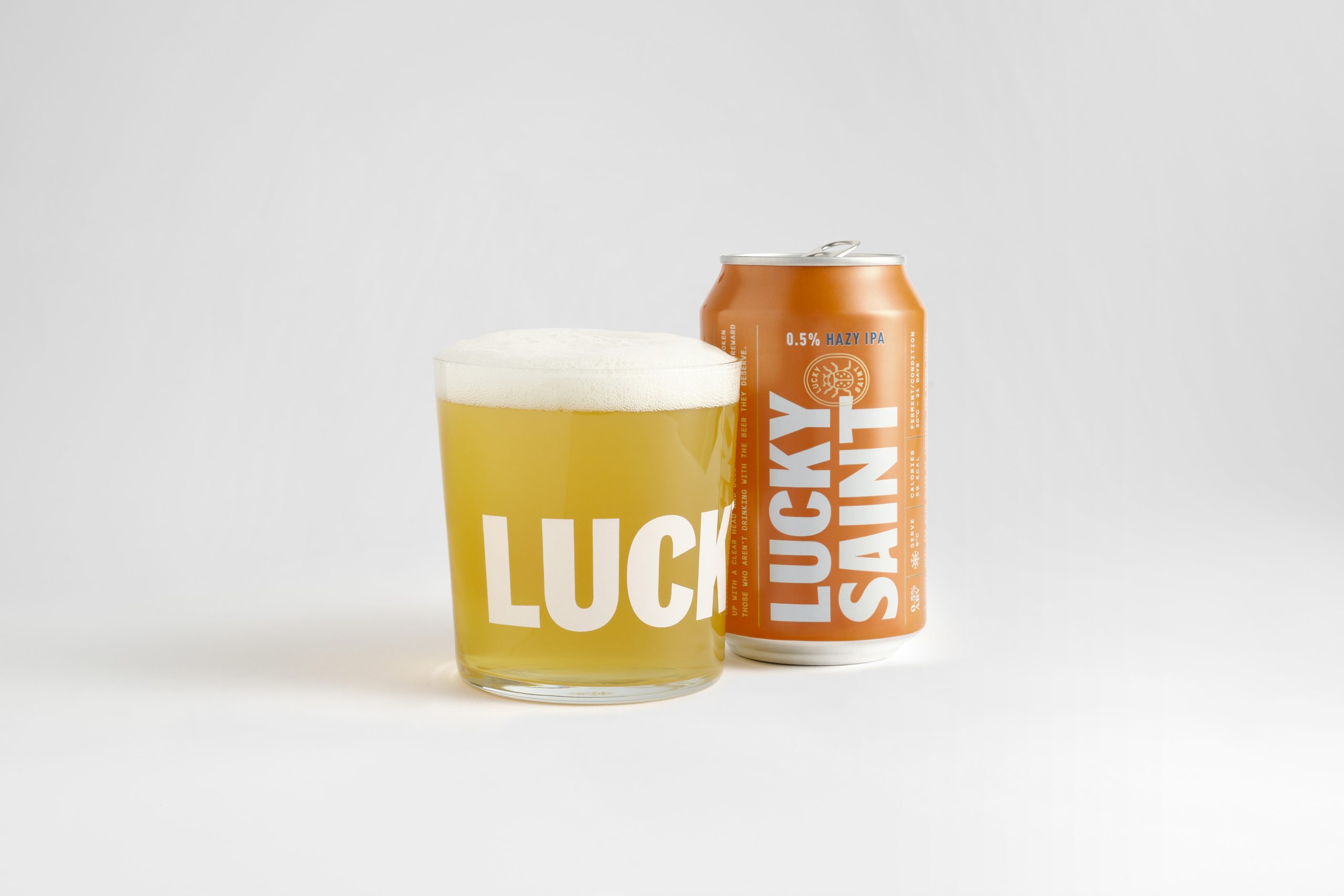
Lucky Saint launches alcohol free IPA

Britain’s alcohol-free beer boom risks losing momentum unless the government relaxes strict labelling rules that put UK brewers at a disadvantage to overseas rivals, the industry has warned.

More than 64m pints of low and no-alcohol beer are expected to be sold this summer, eight million more than in 2025, according to the British Beer and Pub Association (BBPA).

The trade body said the figures showed the category had moved firmly beyond a passing trend, supported by younger consumers drinking less alcohol and a wider shift towards moderation.

However, it warned that growth was being held back by the UK’s unusually strict definition of an alcohol-free beer.

Products can currently only be described as alcohol free when they contain no more than 0.05 per cent alcohol by volume. In many other markets, including several of Britain’s major trading partners, the threshold is 0.5 per cent.

Brewers argue that reducing alcohol content to the lower UK limit while retaining the taste and aroma of traditional beer is technically difficult and more expensive.

Alcohol-free beer is generally produced in a similar way to its alcoholic equivalent before undergoing dealcoholisation, which can involve heat or pressure. These processes can remove flavour and increase production costs.

Despite those challenges, low and no-alcohol beer has become the fastest-growing part of Britain’s beer market, with volumes rising 870 per cent since 2013.

Lucky Saint founder Luke Boase said the World Cup and hot weather had helped fuel demand as shoppers sought drinks suited to social occasions without the alcohol.

He said raising the UK definition to 0.5 per cent would encourage more consumers to choose alcohol-free products and give brewers greater scope to invest in innovation.

BBPA chief executive Emma McClarkin added: “We need government to keep the momentum going by changing the alcohol-free definition to 0.5 per cent.

“This will open the door to greater investment, keep us on par with international markets, and deliver even more options for people who choose to moderate – everyone wins.”

The warning comes as grocers continue to expand their alcohol-free ranges to capture demand from shoppers looking to cut back without abandoning established beer brands and drinking occasions.

Sign up here to get the latest grocery and food news each morning

NewsResearchSupermarketsSuppliers

Social

SUBSCRIBE TO OUR DAILY NEWSLETTER

  • This field is for validation purposes and should be left unchanged.

Most Read

Most Read

NewsResearchSupermarketsSuppliers

Leave a Reply

Your email address will not be published. Required fields are marked *

Fill out this field
Fill out this field
Please enter a valid email address.

RELATED STORIES

Latest Feature

Menu

Please enter the verification code sent to your email: