
Parmesan supply under threat as extreme heat hits Italy’s cheese heartland
Extreme heat is putting pressure on parmesan production as farmers battle falling milk yields, rising energy bills and worsening drought across northern Italy.
Temperatures above 40°C in the Emilia-Romagna region are causing cows to eat less and produce as much as 10 per cent less milk, threatening the supply of the key ingredient used to make the protected cheese.
Nicola Bertinelli, president of the Parmigiano Reggiano Consortium, said the hotter conditions were affecting both the quantity and quality of milk.
Authentic Parmigiano Reggiano can only be produced in five Italian provinces, mostly within Emilia-Romagna, using milk from cows fed on locally grown grass and hay.
Bertinelli warned that a lack of rainfall presented an additional risk to production.
“If it doesn’t rain, grass doesn’t grow, hay cannot be produced and it’s impossible to obtain the milk needed to make the cheese,” he said.
Farmers have installed fans and water-misting systems to protect cattle during heatwaves, but the additional equipment has sharply increased electricity costs.
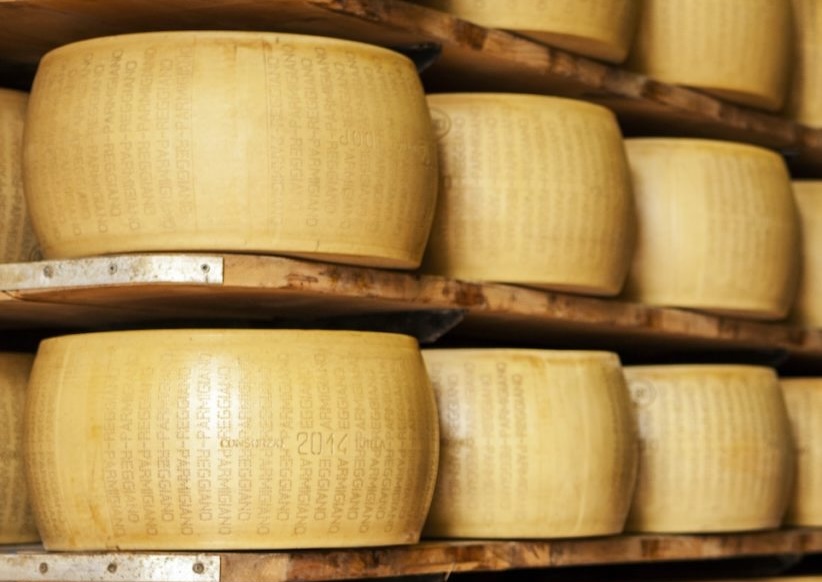
The impact is also being felt further along the supply chain, as climate-controlled warehouses use more power to protect cheese wheels during an ageing process that lasts at least 12 months and can extend beyond three years.
Daily energy consumption at two warehouses operated by Magazzini Generali delle Tagliate rose by around 30 per cent during this year’s most intense heatwaves.
The facilities store more than 500,000 wheels of Parmigiano Reggiano worth over €300m (£260m).
Warehouse director Giancarlo Ravanetti said the business had upgraded cooling systems, insulation and renewable energy generation to improve efficiency and manage rising costs.
Producers fear more frequent and prolonged extreme weather could ultimately push up prices while affecting the volume and quality of cheese reaching grocery retailers.
The Parmigiano Reggiano industry generates an estimated €4.5bn in annual revenue and supports thousands of jobs across the region.
Exports represented more than half of global sales in 2025, with the US remaining the cheese’s largest overseas market.
GranTerre international sales director Paolo Ganzerli said: “If extreme events become longer-lasting and more intense, they will certainly have an impact on both the quantity and quality of milk, but above all they will lead to higher costs.”
He added: “We don’t want to be the last generation to eat it.”
Sign up here to get the latest grocery and food news each morning