Grocery firms warn packaging levy will keep food prices under pressure
Grocery manufacturers and retailers are facing renewed cost pressure after ministers refused to scrap the Extended Producer Responsibility scheme, despite industry warnings that it is pushing up food prices and threatening UK investment.
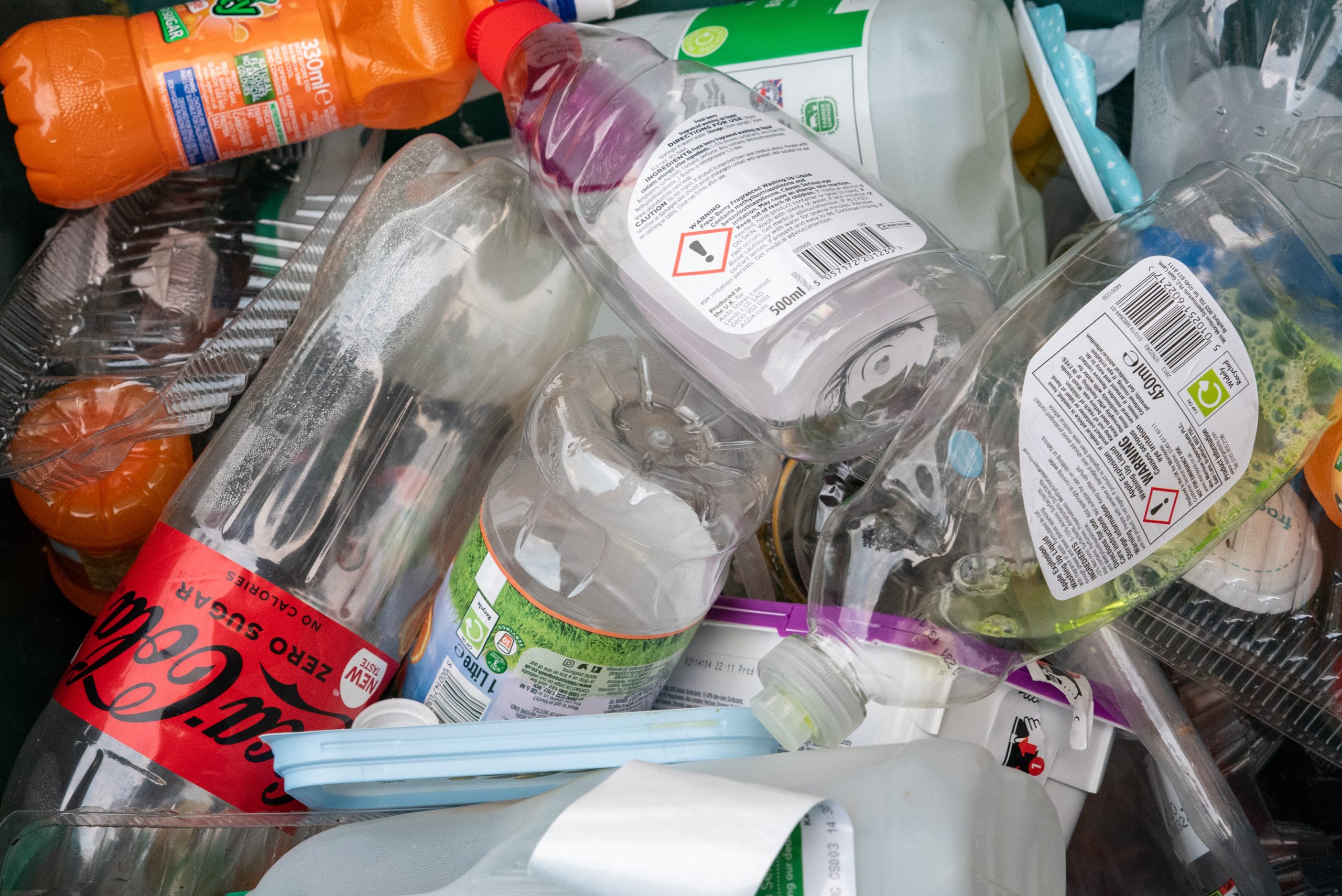
The packaging levy, known as EPR, requires food producers and online retailers to pay charges on packaging used in the products they sell.
Industry bosses have been lobbying for the scheme to be dropped or redesigned, arguing that the costs are already feeding through to supermarket prices at a time when shoppers are under pressure from rising grocery bills.
The scheme is expected to raise more than £1bn a year, with the government saying it will shift the cost of dealing with waste away from taxpayers.
However, industry figures argue the current structure risks disproportionately hitting certain materials and adding further inflationary pressure across the grocery supply chain.
Glass has become a particular flashpoint. It accounts for just 5 per cent of the packaging market, but is expected to pay 27 per cent of EPR fees because charges are calculated by weight.
The government has pointed to a planned reduction in glass packaging charges when the regime is reset in June. However, its own figures suggest the average cut will be just 1 per cent.
Spanish glass group Vidrala, which owns bottle manufacturer Encirc, is understood to be threatening to pull £500m of planned UK investment, according to The Times.
Encirc employs around 2,000 people across sites in Northern Ireland, Cheshire and Bristol, and produces about a third of all glass bottles made in the UK. The business makes around 3bn bottles a year for brands including Budweiser, Fever-Tree and Smirnoff.
British Glass federation director Nick Kirk said Defra had failed to recognise the impact of the current EPR design on UK manufacturing.
“We are disappointed by Defra’s response, which fails to recognise the mounting evidence of harm to UK manufacturing from the current EPR design,” he said.
“Without the right policy and economic environment, there is a real risk that these investments will be directed to other countries.”
The government has defended the scheme and said it will continue working with industry as the changes are implemented.
A spokesperson said: “EPR moves the cost of dealing with waste away from taxpayers and generates more than £1bn annually.
“It’s part of a major investment in the UK economy, helping create 25,000 jobs, and we will continue to work with industry as the changes are implemented.”
The levy is already estimated to be costing the average UK household around £50 a year, with industry experts warning that much of the cost is likely to be passed through to shoppers.
The Bank of England has said EPR is adding around 0.5 percentage points to food inflation, with pressure expected to build further as grocery businesses absorb higher packaging, energy and supply chain costs.
The scheme’s next phase is also expected to increase costs across other packaging formats. Taxes on coffee cups, soup containers and juice cartons are set to rise by an average of 19 per cent later this year, while plastic packaging charges are due to climb by 15 per cent.
The money raised through EPR is handed to local councils, but industry groups have raised concerns that it is not ringfenced for recycling infrastructure and can instead be spent on wider services including social care, planning and education.
The row comes as grocery retailers and manufacturers continue to face pressure from higher wage costs, employer National Insurance increases, volatile energy markets and supply chain disruption.
For food and drink businesses, the concern is that EPR will add another layer of unavoidable cost into an already fragile inflationary environment, leaving suppliers and retailers with limited room to protect shoppers from further price rises.
Sign up here to get the latest grocery and food news each morning