
Government urged to shield £42bn food manufacturing sector as costs and insolvencies bite

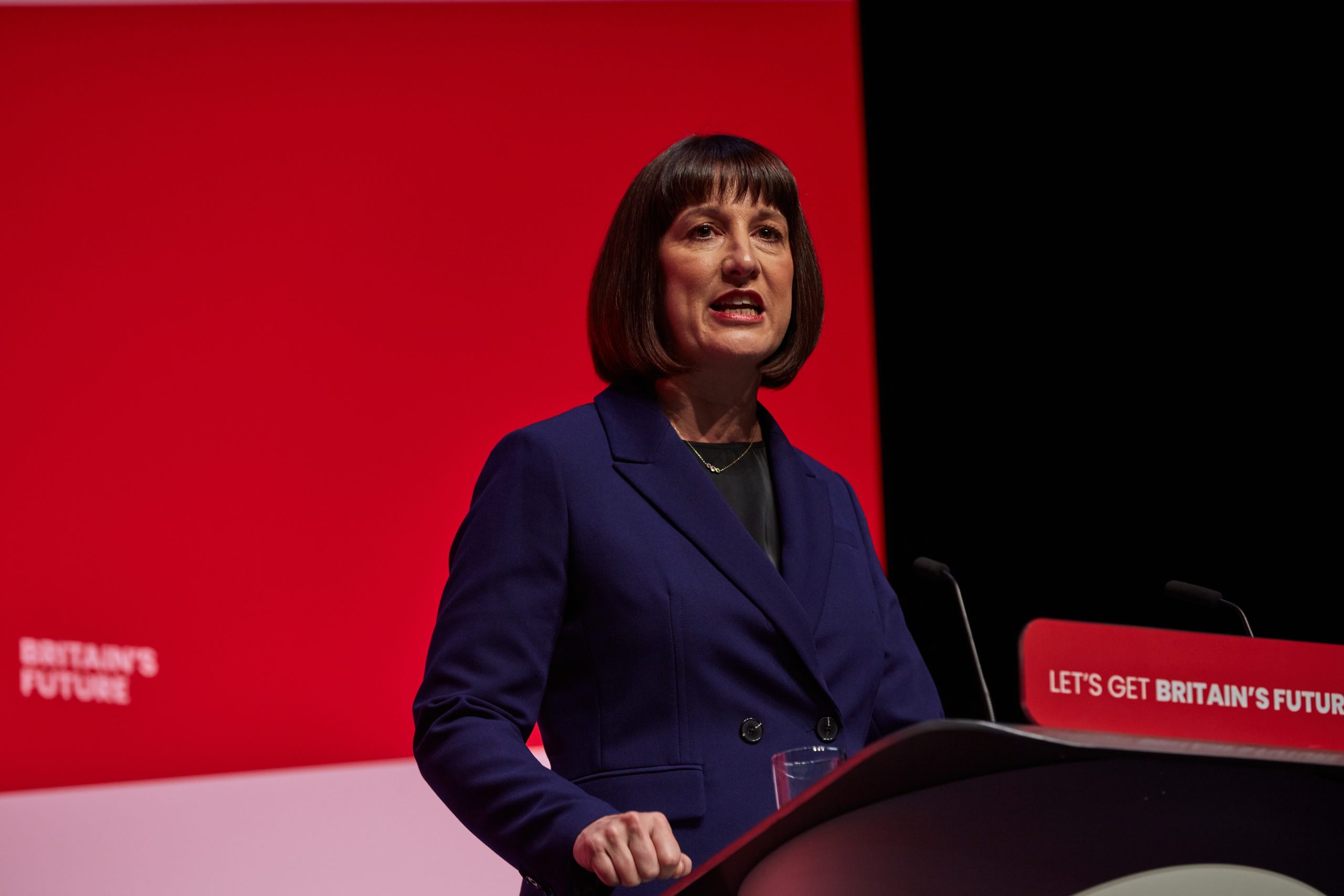
Chancellor Rachel Reeves has dismissed calls for a 'Buy British' goods campaign, over fears the decision would make the UK appear too “inward-looking”.
News

The government is being urged to do more to protect the UK’s £42bn food and drink manufacturing industry as rising costs, growing insolvencies and fresh global volatility heap pressure on the sector.

New figures from the Food and Drink Federation (FDF) show the industry now contributes £42bn to the UK economy, cementing its position as the country’s largest manufacturing sector and accounting for 23.7 per cent of total manufacturing turnover.

Across the wider supply chain, food and drink is worth £172bn to the national economy.

However, the trade body warned that years of rising costs, regulatory change and geopolitical disruption have left many businesses facing a difficult investment environment, limiting their ability to grow and modernise.

According to the FDF, food manufacturing insolvency rates in 2025 rose nearly three times faster than those seen across the wider manufacturing industry since 2019. The body said conflict in the Middle East and rising energy prices had added further strain, particularly given energy is embedded throughout the food and drink manufacturing process.

Production costs rose by an average of 4.4 per cent last year, climbing as high as 5.3 per cent for smaller firms.

The FDF is now calling on government to include food and drink manufacturers in the British Industrial Competitiveness Scheme to help offset soaring energy costs and support long-term investment.

It said backing the sector would help it grow to £50bn gross value added over the next decade, while strengthening resilience and easing pressure on household budgets.

The federation’s latest Powering Communities report also highlighted the industry’s regional importance, with more than 12,000 food and drink manufacturers operating across the UK and supporting nearly half a million jobs.

The sector employs 489,333 people, representing around 19.3 per cent of all manufacturing employment, and has created 43,833 jobs since 2018.

Food and drink manufacturing recorded growth in every region of the UK, with the report highlighting major recent investment projects including Kellanova’s £75m spend to create Europe’s biggest cereal factory in Wrexham and Haribo’s new warehouse in Castleford.

The sector also represents around a third of manufacturing turnover in both Scotland and Northern Ireland, underlining its importance to regional economies.

FDF chief executive Karen Betts said the figures showed just how central food and drink manufacturing was to communities across the country, but warned many businesses were now under intense strain.

She said: “This report shows how much food and drink manufacturing matters – it happens in every corner of the country, providing jobs, building skills and bringing prosperity to communities, while ensuring that everyone, everywhere has an amazing array of choice when they do their food shopping.

“But manufacturers are squeezed. The last six years has been a rollercoaster of regulatory change combined with geopolitical shocks, all driving inflation and the cost-of-living crisis.”

Betts added that too many businesses were now investing simply to maintain operations rather than futureproof them, and said government needed to do more to support energy costs, skills, innovation and R&D.

She said ministers should ensure food manufacturing was treated on a par with sectors such as automotive and aerospace, particularly given its role in economic growth, regional employment and national resilience.

The warning comes as the industry faces continued pressure from inflation, energy volatility and weak consumer confidence, with food producers increasingly concerned about their ability to remain competitive while funding investment in healthier products, new technologies and more sustainable manufacturing.

Sign up here to get the latest grocery and food news each morning

News

Leave a Reply

Your email address will not be published. Required fields are marked *

Fill out this field
Fill out this field
Please enter a valid email address.

News

Share:

Government urged to shield £42bn food manufacturing sector as costs and insolvencies bite
Chancellor Rachel Reeves has dismissed calls for a 'Buy British' goods campaign, over fears the decision would make the UK appear too “inward-looking”.

The government is being urged to do more to protect the UK’s £42bn food and drink manufacturing industry as rising costs, growing insolvencies and fresh global volatility heap pressure on the sector.

New figures from the Food and Drink Federation (FDF) show the industry now contributes £42bn to the UK economy, cementing its position as the country’s largest manufacturing sector and accounting for 23.7 per cent of total manufacturing turnover.

Across the wider supply chain, food and drink is worth £172bn to the national economy.

However, the trade body warned that years of rising costs, regulatory change and geopolitical disruption have left many businesses facing a difficult investment environment, limiting their ability to grow and modernise.

According to the FDF, food manufacturing insolvency rates in 2025 rose nearly three times faster than those seen across the wider manufacturing industry since 2019. The body said conflict in the Middle East and rising energy prices had added further strain, particularly given energy is embedded throughout the food and drink manufacturing process.

Production costs rose by an average of 4.4 per cent last year, climbing as high as 5.3 per cent for smaller firms.

The FDF is now calling on government to include food and drink manufacturers in the British Industrial Competitiveness Scheme to help offset soaring energy costs and support long-term investment.

It said backing the sector would help it grow to £50bn gross value added over the next decade, while strengthening resilience and easing pressure on household budgets.

The federation’s latest Powering Communities report also highlighted the industry’s regional importance, with more than 12,000 food and drink manufacturers operating across the UK and supporting nearly half a million jobs.

The sector employs 489,333 people, representing around 19.3 per cent of all manufacturing employment, and has created 43,833 jobs since 2018.

Food and drink manufacturing recorded growth in every region of the UK, with the report highlighting major recent investment projects including Kellanova’s £75m spend to create Europe’s biggest cereal factory in Wrexham and Haribo’s new warehouse in Castleford.

The sector also represents around a third of manufacturing turnover in both Scotland and Northern Ireland, underlining its importance to regional economies.

FDF chief executive Karen Betts said the figures showed just how central food and drink manufacturing was to communities across the country, but warned many businesses were now under intense strain.

She said: “This report shows how much food and drink manufacturing matters – it happens in every corner of the country, providing jobs, building skills and bringing prosperity to communities, while ensuring that everyone, everywhere has an amazing array of choice when they do their food shopping.

“But manufacturers are squeezed. The last six years has been a rollercoaster of regulatory change combined with geopolitical shocks, all driving inflation and the cost-of-living crisis.”

Betts added that too many businesses were now investing simply to maintain operations rather than futureproof them, and said government needed to do more to support energy costs, skills, innovation and R&D.

She said ministers should ensure food manufacturing was treated on a par with sectors such as automotive and aerospace, particularly given its role in economic growth, regional employment and national resilience.

The warning comes as the industry faces continued pressure from inflation, energy volatility and weak consumer confidence, with food producers increasingly concerned about their ability to remain competitive while funding investment in healthier products, new technologies and more sustainable manufacturing.

Sign up here to get the latest grocery and food news each morning

News

Social

SUBSCRIBE TO OUR DAILY NEWSLETTER

  • This field is for validation purposes and should be left unchanged.

Most Read

Most Read

News

Leave a Reply

Your email address will not be published. Required fields are marked *

Fill out this field
Fill out this field
Please enter a valid email address.

RELATED STORIES

Latest Feature

Menu

Please enter the verification code sent to your email: