
Alcohol-free beer and houmous added to UK inflation basket as consumer habits shift

Waitrose alcohol free area
News

Alcohol-free beer and houmous have been added to the basket of goods used to calculate the UK’s inflation rate, reflecting a growing shift in consumer lifestyles and spending habits.

The changes come as part of the annual review conducted by the Office for National Statistics, which updates the collection of goods and services used to measure price changes across the economy.

Each year the ONS analyses spending patterns to ensure the basket reflects what households are actually buying. The latest update brings the total number of items in the basket to 760, after 27 items were added and 19 removed.

According to Stephen Burgess, deputy director for prices at the ONS, healthier lifestyle trends are increasingly influencing the way people spend their money.

“This year, healthier lifestyle choices influence consumer spending, reflected by goods such as houmous and non-alcoholic beer,” he said.

Changing lifestyles reflected in the basket

The inflation basket offers a snapshot of evolving consumer behaviour in the UK.

Alongside houmous and alcohol-free beer, the latest additions include motorhomes, dashboard cameras and pet grooming services, all of which the ONS said reflect growing consumer demand.

Motorhomes have been introduced as a higher-value alternative to caravans, which were already represented in the basket. Meanwhile dashcams capture the growing demand for in-car security technology.

Pet grooming services have also been added, reflecting the rise in spending on pets beyond standard veterinary care as owners increasingly treat animals as part of the family.

The ONS said these adjustments help ensure inflation calculations remain representative of how people actually spend their money.

Historic snapshot of consumer change

Over time, the basket has also offered a fascinating record of shifting tastes and trends.

When the first list was compiled in 1947, items such as wild rabbit were included. Meanwhile tea bags did not appear until 1980, highlighting how everyday habits evolve over time.

This year, some smaller changes were also made to reflect retail realities. For example, sheets of wrapping paper have been replaced by rolls, which are now far more commonly sold in stores.

New technology to reshape inflation measurement

One of the biggest changes to the methodology behind the basket is how price data is collected.

The ONS is introducing supermarket scanner data to capture more than half of the UK grocery market. Instead of thousands of prices being collected manually by researchers, the agency will now analyse millions of prices automatically gathered from supermarket tills.

This shift is expected to provide a far more detailed picture of price changes across the grocery sector.

Once processed, the data feeds into the Consumer Prices Index (CPI), the UK’s main measure of inflation.

Why inflation matters

The inflation figure has significant implications across the economy.

Government benefits, pension increases and interest rate decisions by the Bank of England are all influenced by the CPI rate.

The government currently targets 2 per cent inflation, but the most recently published rate stood at 3 per cent in January.

While economists had previously expected inflation to fall back to the 2 per cent target by the end of the year, forecasts have become more uncertain following the economic fallout from the Iran–Israel conflict escalation, with many analysts now predicting inflation will remain closer to 3 per cent.

Sign up here to get the latest grocery and food news each morning


News

Leave a Reply

Your email address will not be published. Required fields are marked *

Fill out this field
Fill out this field
Please enter a valid email address.

News

Share:

Alcohol-free beer and houmous added to UK inflation basket as consumer habits shift
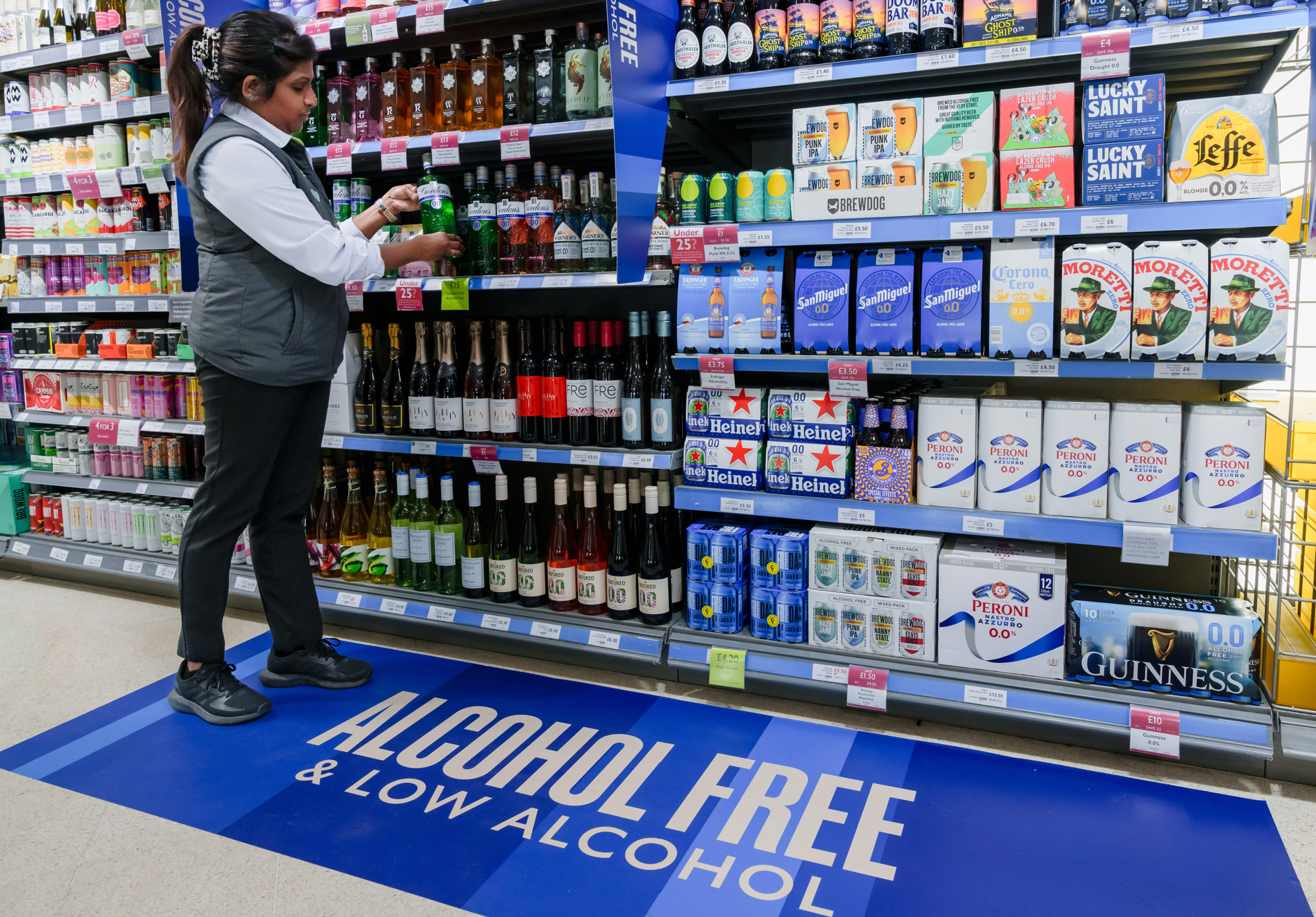
Waitrose alcohol free area

Alcohol-free beer and houmous have been added to the basket of goods used to calculate the UK’s inflation rate, reflecting a growing shift in consumer lifestyles and spending habits.

The changes come as part of the annual review conducted by the Office for National Statistics, which updates the collection of goods and services used to measure price changes across the economy.

Each year the ONS analyses spending patterns to ensure the basket reflects what households are actually buying. The latest update brings the total number of items in the basket to 760, after 27 items were added and 19 removed.

According to Stephen Burgess, deputy director for prices at the ONS, healthier lifestyle trends are increasingly influencing the way people spend their money.

“This year, healthier lifestyle choices influence consumer spending, reflected by goods such as houmous and non-alcoholic beer,” he said.

Changing lifestyles reflected in the basket

The inflation basket offers a snapshot of evolving consumer behaviour in the UK.

Alongside houmous and alcohol-free beer, the latest additions include motorhomes, dashboard cameras and pet grooming services, all of which the ONS said reflect growing consumer demand.

Motorhomes have been introduced as a higher-value alternative to caravans, which were already represented in the basket. Meanwhile dashcams capture the growing demand for in-car security technology.

Pet grooming services have also been added, reflecting the rise in spending on pets beyond standard veterinary care as owners increasingly treat animals as part of the family.

The ONS said these adjustments help ensure inflation calculations remain representative of how people actually spend their money.

Historic snapshot of consumer change

Over time, the basket has also offered a fascinating record of shifting tastes and trends.

When the first list was compiled in 1947, items such as wild rabbit were included. Meanwhile tea bags did not appear until 1980, highlighting how everyday habits evolve over time.

This year, some smaller changes were also made to reflect retail realities. For example, sheets of wrapping paper have been replaced by rolls, which are now far more commonly sold in stores.

New technology to reshape inflation measurement

One of the biggest changes to the methodology behind the basket is how price data is collected.

The ONS is introducing supermarket scanner data to capture more than half of the UK grocery market. Instead of thousands of prices being collected manually by researchers, the agency will now analyse millions of prices automatically gathered from supermarket tills.

This shift is expected to provide a far more detailed picture of price changes across the grocery sector.

Once processed, the data feeds into the Consumer Prices Index (CPI), the UK’s main measure of inflation.

Why inflation matters

The inflation figure has significant implications across the economy.

Government benefits, pension increases and interest rate decisions by the Bank of England are all influenced by the CPI rate.

The government currently targets 2 per cent inflation, but the most recently published rate stood at 3 per cent in January.

While economists had previously expected inflation to fall back to the 2 per cent target by the end of the year, forecasts have become more uncertain following the economic fallout from the Iran–Israel conflict escalation, with many analysts now predicting inflation will remain closer to 3 per cent.

Sign up here to get the latest grocery and food news each morning


News

Social

SUBSCRIBE TO OUR DAILY NEWSLETTER

  • This field is for validation purposes and should be left unchanged.

Most Read

News

Leave a Reply

Your email address will not be published. Required fields are marked *

Fill out this field
Fill out this field
Please enter a valid email address.

RELATED STORIES

Most Read

Latest Feature

Menu

Please enter the verification code sent to your email: