
Diageo halves dividend as US slowdown and Guinness supply pressures weigh on outlook

FMCGNews

Diageo has halved its dividend and cut its annual sales and profit forecast for the second time in four months, as weak US demand and ongoing Guinness supply constraints continue to pressure performance.

The world’s largest spirits group, owner of brands including Smirnoff, Johnnie Walker and Don Julio, shed more than £5bn in market value on Wednesday after shares fell nearly 13 per cent, making it the FTSE 100’s biggest decliner of the day.

The results mark the first under new chief executive Sir Dave Lewis, who joined in January following the abrupt resignation of Debra Crew last summer.

Lewis moved quickly to reset investor expectations, halving the interim dividend to 20 cents per share, down from 40.5 cents a year ago.

“This is not an easy decision to make, but we believe it is the right one,” Lewis said during a results webcast. “The North American market is challenged.”

Diageo now expects organic sales to fall between 2 per cent and 3 per cent in 2026, while forecasting flat organic operating profit.

For grocery buyers and category managers, the guidance underlines the reality of a softer global spirits market, particularly in the US, which remains a critical profit engine for premium and super-premium brands.

US tequila slowdown hits premium portfolio

Pressure on household finances has hit discretionary spend in key markets, with US shoppers trading down from premium tequila brands such as Don Julio and Casamigos in favour of cheaper alternatives.

Lewis acknowledged that while overall spirits consumption remains relatively stable, consumers are reducing “serves per occasion”.

“What you see is a very significant squeeze on disposable income,” he said.

To mitigate this, Diageo is planning to introduce smaller pack sizes — a move that could create opportunities in convenience and impulse channels, particularly where price sensitivity is high.

The strategy mirrors wider FMCG trends, as suppliers look to protect volume by lowering entry price points without overtly discounting premium SKUs.

Guinness demand outstrips supply

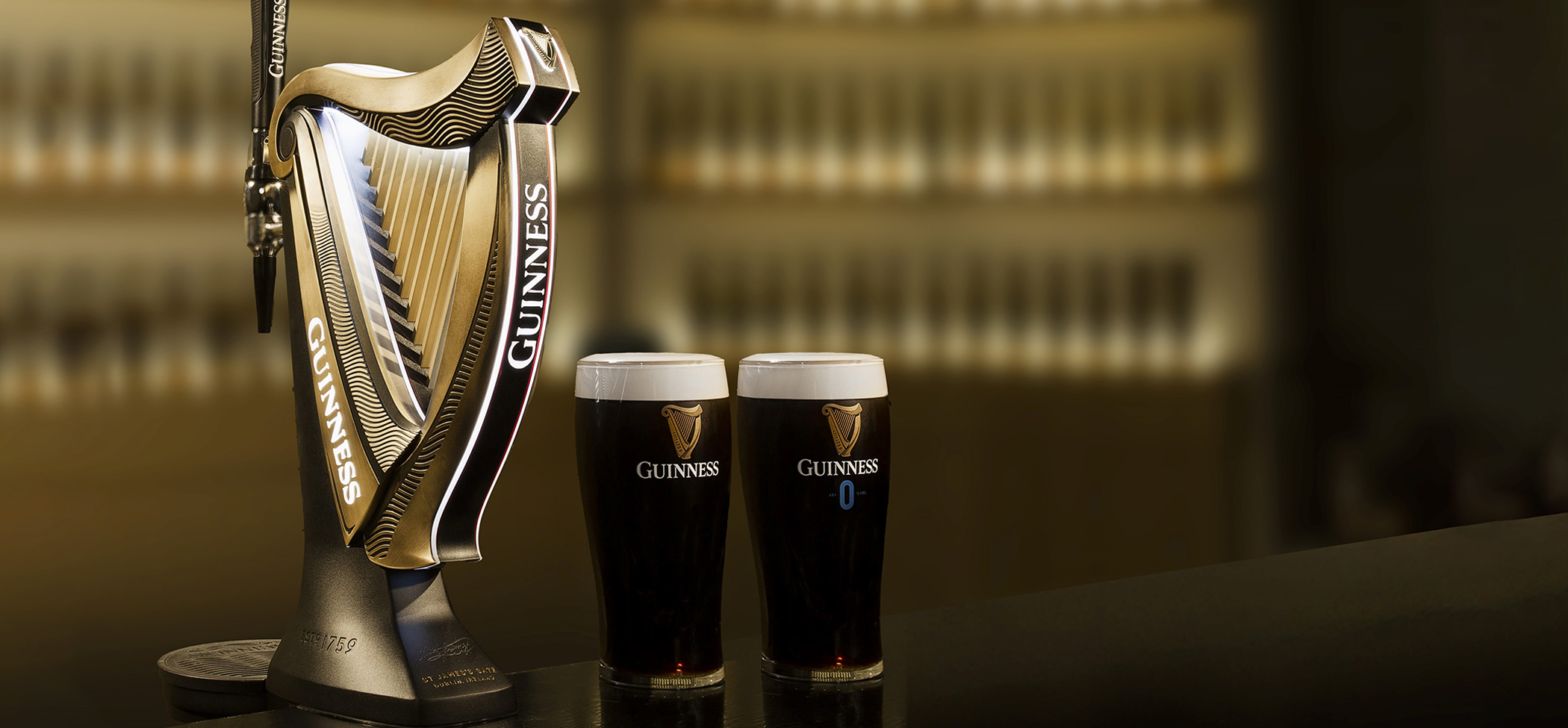
While spirits performance disappointed, Guinness remains a standout.

Described by Lewis as a “phenomenal asset” and the fastest-growing beer brand in North America, the stout continues to benefit from social media-driven popularity among younger consumers.

However, strong demand has exposed supply and capacity constraints, particularly in London pubs.

“If you’ve tried to buy a pint in London, you also know that we have some capacity constraints,” Lewis said. “This capacity and geographical constraint is an issue that we need to address, and quickly.”

The brand’s resurgence, fuelled by Gen Z adoption and celebrity visibility, has at times outstripped supply, creating intermittent availability challenges across the on-trade.

For grocery, the continued momentum behind Guinness offers opportunity, particularly as shoppers seek at-home alternatives when pub supply tightens.

Diageo also recently opened a Guinness experience venue in London, which is expected to welcome around 500,000 visitors this year, further strengthening brand engagement in its domestic market


Subscribe to Grocery Gazette for free

Sign up here to get the latest grocery and food news each morning


A long turnaround ahead

Lewis, formerly chief executive of Tesco and nicknamed ‘Drastic Dave’ during his time at Unilever, described his first seven weeks in the role as “pretty intense”.

Analysts suggest the turnaround will take time.

“Guinness is a bright spot in an otherwise gloomy update and means Diageo’s results aren’t a complete mess,” said Dan Coatsworth, head of markets at AJ Bell.

“Fixing Diageo is like turning around an oil tanker, a very slow process.”

For UK grocery and drinks retailers, the immediate implications are clear: softer US demand may dampen global growth expectations, but Guinness continues to deliver momentum, provided supply can keep pace.

Longer term, smaller pack formats, sharper value positioning and disciplined premiumisation are likely to define Diageo’s next phase under Lewis.

FMCGNews

Leave a Reply

Your email address will not be published. Required fields are marked *

Fill out this field
Fill out this field
Please enter a valid email address.

FMCGNews

Share:

Diageo halves dividend as US slowdown and Guinness supply pressures weigh on outlook
FMCGNews

Social

SUBSCRIBE TO OUR DAILY NEWSLETTER

  • This field is for validation purposes and should be left unchanged.

Most Read

Diageo has halved its dividend and cut its annual sales and profit forecast for the second time in four months, as weak US demand and ongoing Guinness supply constraints continue to pressure performance.

The world’s largest spirits group, owner of brands including Smirnoff, Johnnie Walker and Don Julio, shed more than £5bn in market value on Wednesday after shares fell nearly 13 per cent, making it the FTSE 100’s biggest decliner of the day.

The results mark the first under new chief executive Sir Dave Lewis, who joined in January following the abrupt resignation of Debra Crew last summer.

Lewis moved quickly to reset investor expectations, halving the interim dividend to 20 cents per share, down from 40.5 cents a year ago.

“This is not an easy decision to make, but we believe it is the right one,” Lewis said during a results webcast. “The North American market is challenged.”

Diageo now expects organic sales to fall between 2 per cent and 3 per cent in 2026, while forecasting flat organic operating profit.

For grocery buyers and category managers, the guidance underlines the reality of a softer global spirits market, particularly in the US, which remains a critical profit engine for premium and super-premium brands.

US tequila slowdown hits premium portfolio

Pressure on household finances has hit discretionary spend in key markets, with US shoppers trading down from premium tequila brands such as Don Julio and Casamigos in favour of cheaper alternatives.

Lewis acknowledged that while overall spirits consumption remains relatively stable, consumers are reducing “serves per occasion”.

“What you see is a very significant squeeze on disposable income,” he said.

To mitigate this, Diageo is planning to introduce smaller pack sizes — a move that could create opportunities in convenience and impulse channels, particularly where price sensitivity is high.

The strategy mirrors wider FMCG trends, as suppliers look to protect volume by lowering entry price points without overtly discounting premium SKUs.

Guinness demand outstrips supply

While spirits performance disappointed, Guinness remains a standout.

Described by Lewis as a “phenomenal asset” and the fastest-growing beer brand in North America, the stout continues to benefit from social media-driven popularity among younger consumers.

However, strong demand has exposed supply and capacity constraints, particularly in London pubs.

“If you’ve tried to buy a pint in London, you also know that we have some capacity constraints,” Lewis said. “This capacity and geographical constraint is an issue that we need to address, and quickly.”

The brand’s resurgence, fuelled by Gen Z adoption and celebrity visibility, has at times outstripped supply, creating intermittent availability challenges across the on-trade.

For grocery, the continued momentum behind Guinness offers opportunity, particularly as shoppers seek at-home alternatives when pub supply tightens.

Diageo also recently opened a Guinness experience venue in London, which is expected to welcome around 500,000 visitors this year, further strengthening brand engagement in its domestic market


Subscribe to Grocery Gazette for free

Sign up here to get the latest grocery and food news each morning


A long turnaround ahead

Lewis, formerly chief executive of Tesco and nicknamed ‘Drastic Dave’ during his time at Unilever, described his first seven weeks in the role as “pretty intense”.

Analysts suggest the turnaround will take time.

“Guinness is a bright spot in an otherwise gloomy update and means Diageo’s results aren’t a complete mess,” said Dan Coatsworth, head of markets at AJ Bell.

“Fixing Diageo is like turning around an oil tanker, a very slow process.”

For UK grocery and drinks retailers, the immediate implications are clear: softer US demand may dampen global growth expectations, but Guinness continues to deliver momentum, provided supply can keep pace.

Longer term, smaller pack formats, sharper value positioning and disciplined premiumisation are likely to define Diageo’s next phase under Lewis.

FMCGNews

Leave a Reply

Your email address will not be published. Required fields are marked *

Fill out this field
Fill out this field
Please enter a valid email address.

RELATED STORIES

Most Read

Latest Feature

Menu

Please enter the verification code sent to your email: