
Five supermarkets investing in customer-related AI tech
Retailers across the UK have been introducing new AI and technology initiatives to enhance their customer experience.
The digital technology provides untold options for shops to develop their services. Several factors are influencing the rise of new technology in stores, including the increase in retail crime and safety concerns, as well as the desire to create a faster shopping experience.
Here, Grocery Gazette takes a look at some of the AI and tech tools being deployed by major retailers.
Sainsbury’s facial recognition technology
Sainsbury’s started trialling facial recognition earlier this month in the UK as part of an eight-week testing period and potentially plans to expand the technology across the country according to The Standard.
The technology, created in partnership with Facewatch, has been designed to help Sainsbury’s identify shoppers who have previously exhibited violent, aggressive or criminal behaviour.
Afterwards, the technology will issue alerts based on criminal activity reported within the store or by other Facewatch users, and data is automatically erased if a face does not match a flagged individual.
Sainsbury’s chief executive Simon Roberts said the move was a response to rising retail crime and abuse towards staff.
“The retail sector is at a crossroads, facing increasing abuse, anti-social behaviour and violence,” he told The Standard.
“We must put safety first. We understand that facial recognition technology can raise valid questions about data and privacy. This trial is focused solely on identifying serious offenders, not monitoring colleagues or our customers.”
Waitrose introducing AI trolleys

Waitrose is testing an AI computer vision system that recognises products as customers put them in their trolleys. The tech consists of a handlebar-like device that customers attach to a normal Waitrose trolley, according to The Grocer.
Customers then scan the barcodes on products like they would using a self-scan handset in front of the device before putting them in their trolley. Once in the trolley, back-facing cameras verify the item.
The devices are kept in a charging bank close to the entrance of the shop and can be released when shoppers scan their loyalty card.
A Waitrose spokeswoman said: “It works in a similar way to our scan, pay, go handsets, with a bigger screen that identifies every item placed into or removed from the cart and with a real-time tally of products and prices so shoppers can keep track of purchases.”
Subscribe to Grocery Gazette for free
Sign up here to get the latest grocery and food news each morning
Morrisons AI trolleys

Another supermarket introducing AI trolleys is Morrisons.
The retailer said it plans to trial AI trolleys next year in partnership with US-based company Caper Carts as part of its strategy to enhance customer experience.
The supermarket retailer plans to streamline the shopping process with built-in sensors, weighing for fresh produce directly on scales and a purchase option afterwards at self-checkout.
Gordon Macpherson, productivity director of Morrisons, commented in a statement: “We’re constantly looking for ways to bring innovation to the weekly shop to enhance the experience for our customers, and the cutting-edge technology of Caper Carts brings the best of digital and physical retail together in-store.
“We’re excited about bringing the first fully integrated AI-powered trolleys in the UK to a first store soon and look forward to testing customer response and building understanding of how the technology works within the Morrisons store estate.”
Tesco VAR AI camera

Retailers have been ramping up their tech initiatives to improve security and this summer, Tesco installed AI-powered cameras at its self-checkout stops to reduce shoplifting.
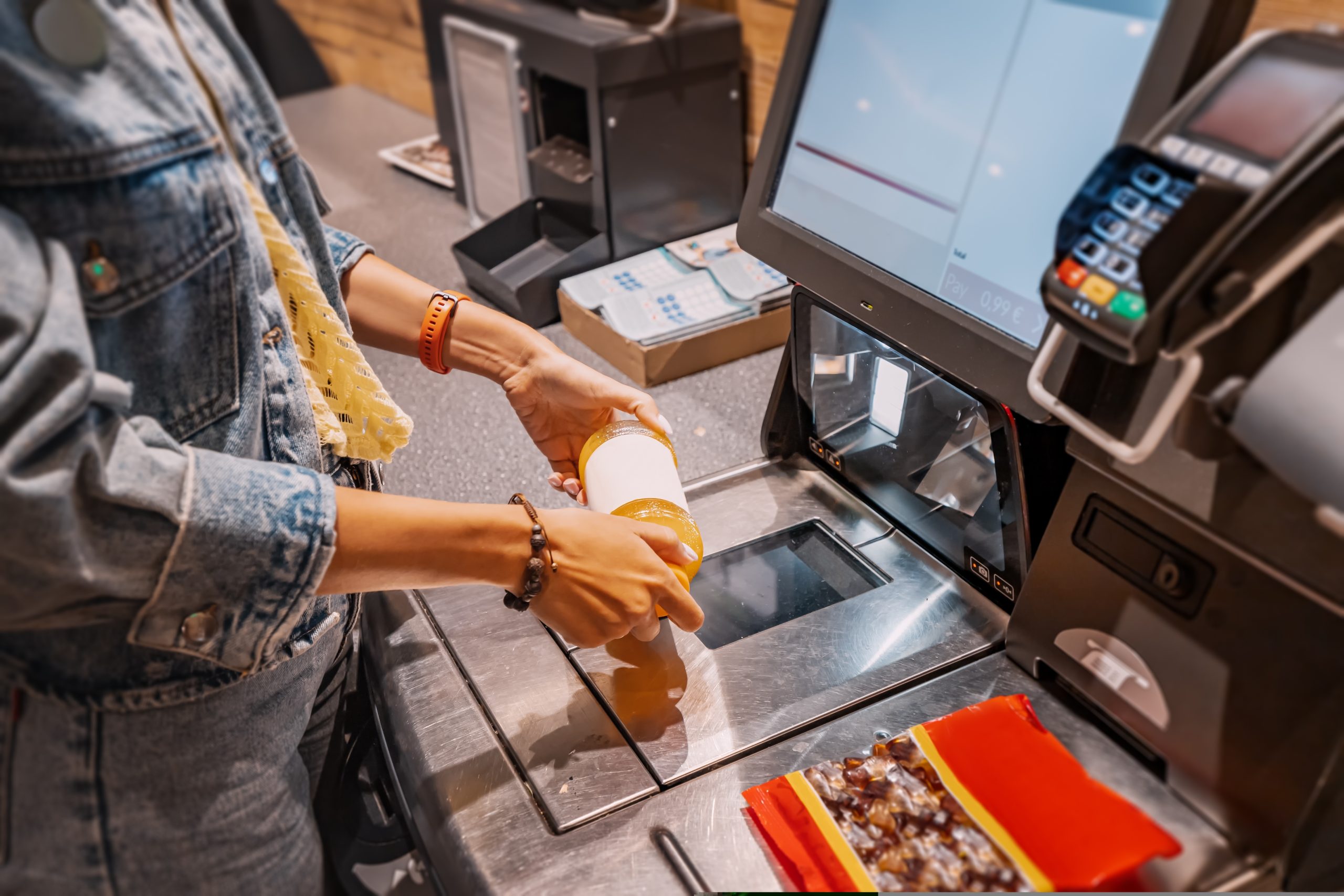
The new system uses overhead cameras to record self-checkout activity and replays footage on screen if items have failed to scan.
When a product is missed at the payment, shoppers are shown a clip of the time and a message prompt reading: “The last item wasn’t scanned properly. Remove from the bagging area and try again.”
However, the technology was met with a mixed reaction from consumers, as privacy and surveillance concerns around the technology were expressed.
Lidl VAR checkout technology
There is a growing number of retailers introducing modern camera monitoring technology to improve the overall security.
Another supermarket that introduced additional surveillance over the summer was Lidl, which trialled VAR checkout technology in July, as reported by The Independent.
Lidl was using VAR-style technology in London to record when transactions had not been scanned by customers. Afterwards, the discounter shows a playback of the missed transaction, similar to the Virtual Assistant Referee (VAR) technology in football.
However, Lidl has not officially confirmed the deployment of the new security measures in its stores.