
IGD: Discounter market share set to grow further
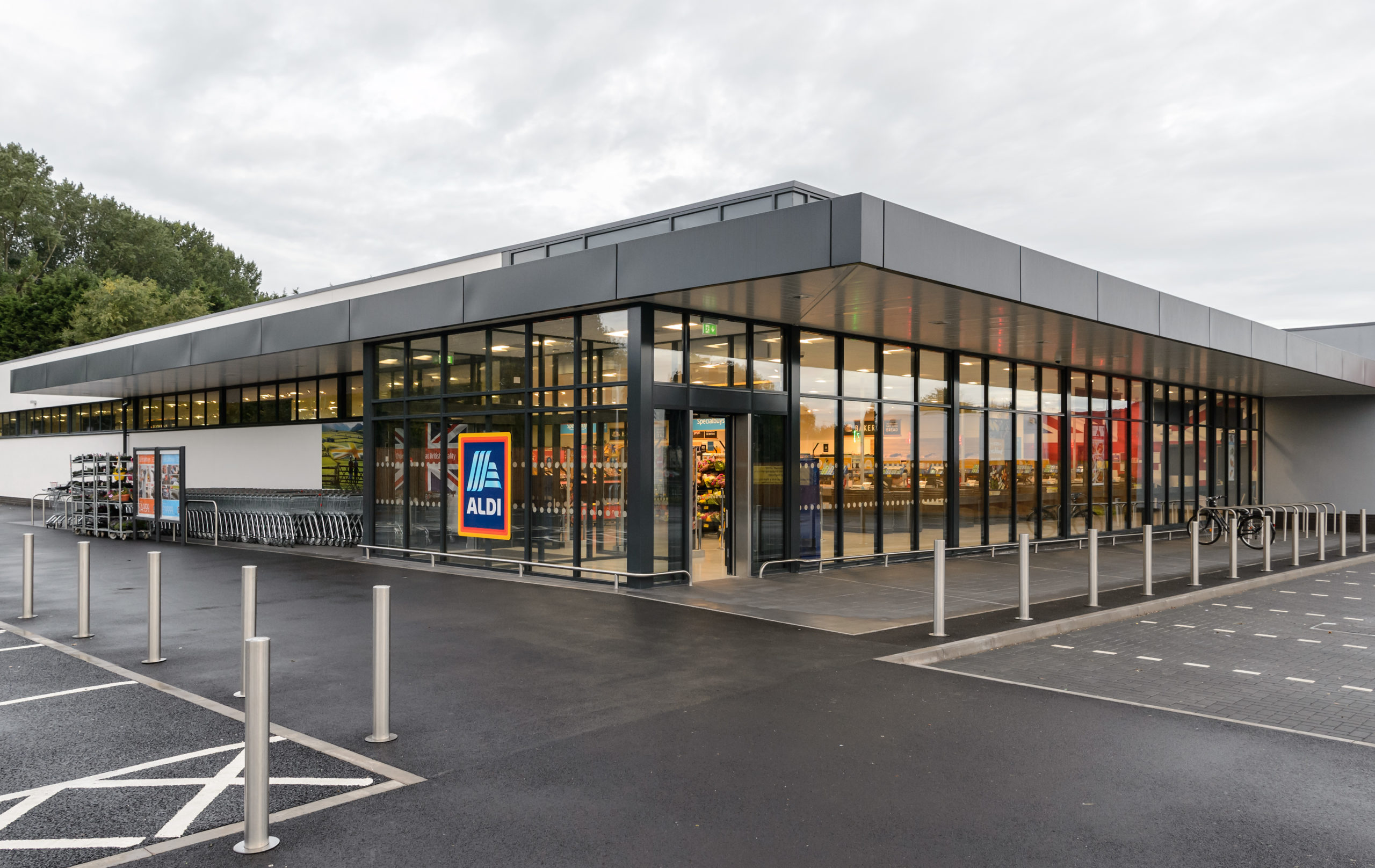
The growth of discount stores is set to continue, heaping more pressure on mainstream supermarket chains, according to new predictions from the Institute of Grocery Distribution (IGD).
The IGD’s latest five-year forecast predicts that, to 2029, discount grocery sales will grow by $217bn on a global basis. This would make discount the fastest-growing grocery channel.
In the UK market, ranked third globally by value, the IGD forecasts that discount store sales will grow by more than 19% between 2024 and 2029, to capture a market share of 16.6%.
“The continued growth of discounters in grocery retail cannot be ignored, with suppliers needing to identify opportunities to work with them and competitors wanting to know how to fight back,” says IGD senior insights analyst Dan Butler.
“Our report shows the key trends that are driving discounters forward, which takes inspiration from our global research despite Europe’s dominance in the channel. We identify which markets have the best prospects for discount growth and who the main players will be through our data and five-year forecasts.”
Subscribe to Grocery Gazette for free
Sign up here to get the latest grocery and food news each morning
The IGD predicts that value will remain at the centre of the discounter operating model, and that ambitious store network expansion plans will drive growth.
New non-food strategies will also help discounters adapt to changing consumer demands, while a stronger focus on healthy options will see discounters seek to limit the impact of wider price increases. Discounters are also expected to strengthen their sustainability credentials.
Europe is set to remain the global hotspot for discounter growth, with market share expected to grow further. Canada is the only market outside Europe where discounters are expected to achieve market share of more than 15% by 2029.
Aldi and Lidl are expected to maintain their dominance of the discount channel, with combined total sales set to pass $320bn by 2029. The two retailers are expected to account for 34% of global discounter sales in 2029; along with 18 smaller players, they are expected to share 83% of additional discount sales up to 2029.