

Lidl CEO vows to maintain ‘market leading prices’ despite ‘tens of millions’ added to NI bill
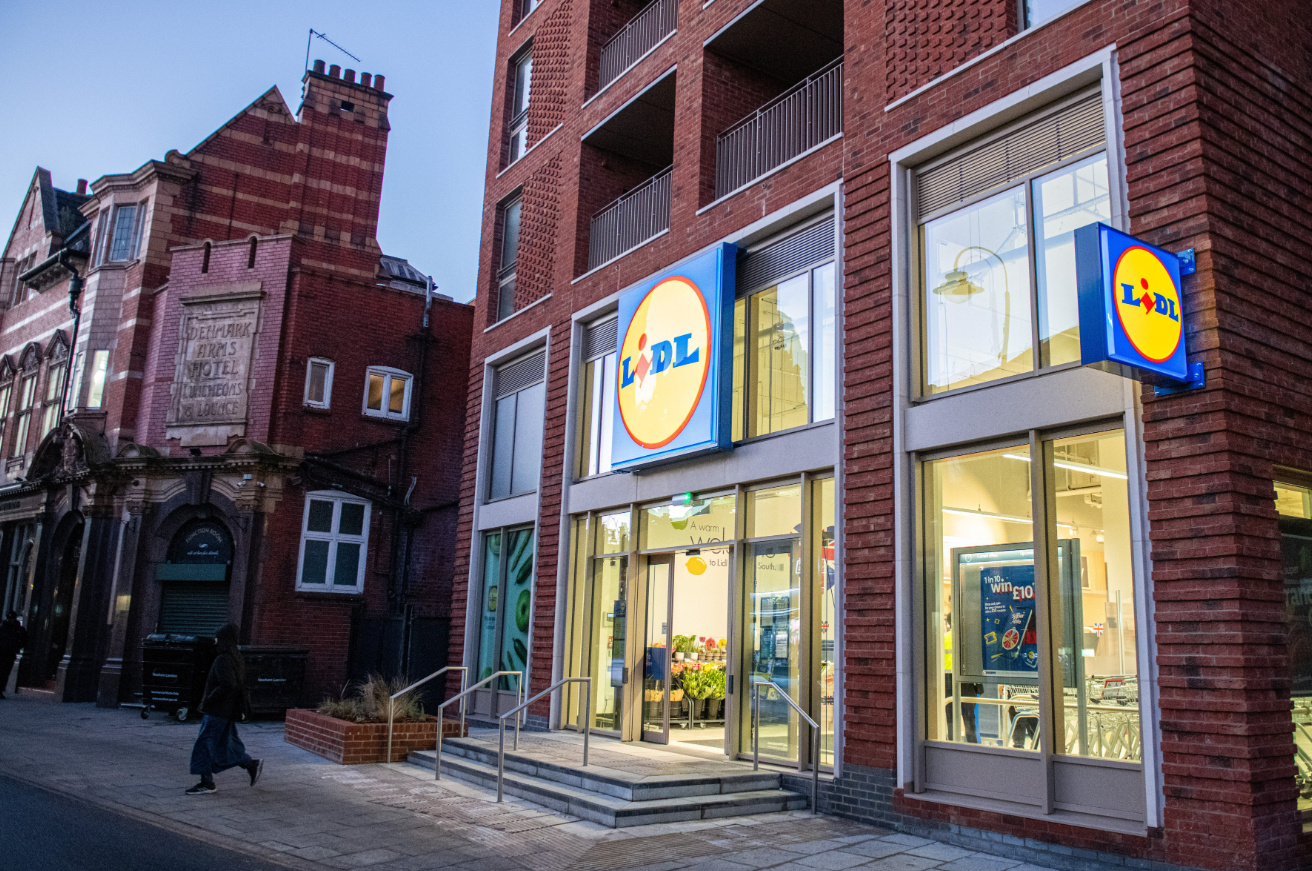
Lidl GB chief executive Ryan McDonnell has stressed that the discounter will “maintain market-leading pricing” despite the “greater inflationary pressures” that will result from increases to employers’ National Insurance contributions.
The discounter boss told PA News that Lidl faces “tens of millions of pounds” in additional costs, following changes brought in by Chancellor Rachel Reeves’ first Budget.
From April 2025, employers’ National Insurance contributions will rise from 13.8% to 15% on a worker’s earnings above £175 a week.
McDonnell explained: “There is a lot of impact that we will have to negotiate and I think the letter shows that the industry is reeling a lot.
Subscribe to Grocery Gazette for free
Sign up here to get the latest grocery and food news each morning
“We are talking about £7bn for the whole industry. For us it will be somewhere in the tens of millions.”
It comes as earlier this month, Asda chairman Lord Stuart Rose said the tax changes, which will cost the retailer around £100m, was “not an easy swallow”, and Sainsbury’s CEO Simon Roberts warned that the £140m extra piled onto its bill will lead to “some difficult decisions” as there “just isn’t the capacity to absorb all of this”.
Meanwhile, Tesco is facing an extra £1bn added to its National Insurance bill over the next four years.
Earlier this week, a letter organised by the British Retail Consortium and signed by more than 70 companies including Tesco, Sainsbury’s, Asda and Morrisons, said that the National Insurance increase combined with a rise in the national minimum wage and new packaging levies could see the retail industry’s costs surge by up to £7bn a year.
It stated that the changes would make “job losses inevitable, and higher prices a certainty”.
The Bank of England governor Andrew Bailey has since said that retailers are right to warn of possible job cuts as he said “there is a risk here that the reduction in employment could be more” than the 50,000 jobs forecast by the Office for Budget Responsibility (OBR).


