

Most UK animal welfare violations go unprosecuted as enforcement falters

Most animal welfare violations go unprosecuted
NewsSuppliers

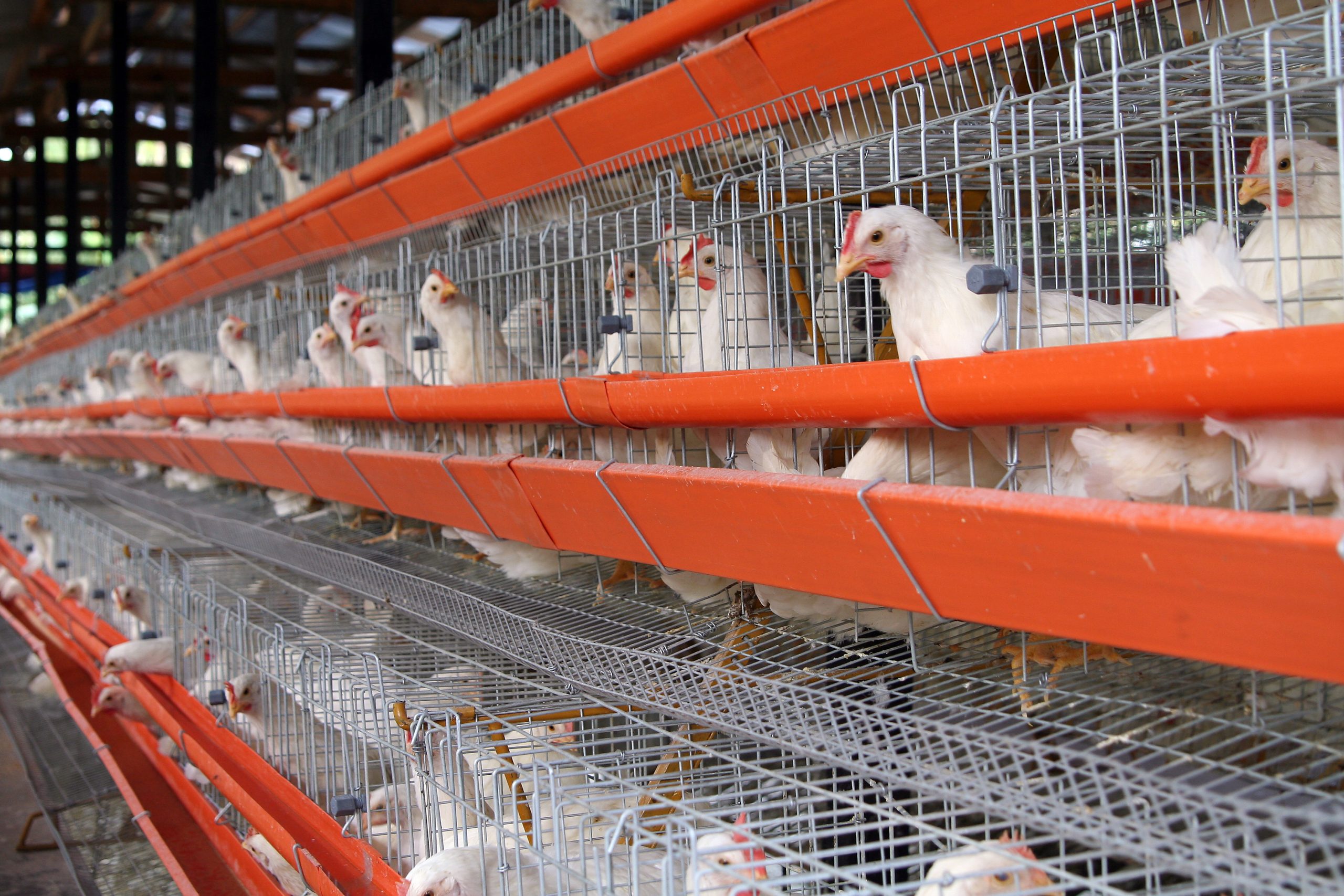
Just 2.3% of all animal welfare breaches in the UK are being prosecuted, research from the Social Market Foundation (SMF) has found.

These findings highlight an over-reliance on industry-led assurance schemes and broader enforcement failures.

One in three farming inspections shows breaches of animal welfare standards, such as routine tail docking in pigs or lameness in dairy cows. However, just a small fraction of these cases are prosecuted.

The report raises questions about the effectiveness of the current enforcement system and the UK’s reputation as a world leader in animal welfare standards.


Subscribe to Grocery Gazette for free

Sign up here to get the latest grocery and food news each morning


The responsibility for welfare enforcement in the UK is divided between local authorities and the Animal and Plant Health Agency (APHA). Just 3% of farms undergo welfare inspections by the state, while industry-led schemes inspect the remaining farms every 12 to 18 months.

Reasons for these enforcement challenges include funding cuts, industry-led schemes failing to take action and lack of data transparency.

“The government has a duty of care towards the animals slaughtered for human consumption, yet there is a concerning lack of surveillance and an apparent reluctance to enforce existing laws,” Abigail Penny, executive director of Animal Equality UK, told the Financial Times

Aveek Bhattacharya, SMF’s research director, added: “We like to think of ourselves as a nation of animal lovers, yet the casualness with which we enforce welfare rules on farms undermines that perception.”

The SMF report makes several recommendations for improvement, including centralising welfare enforcement, publishing regular detailed data on inspections, non-compliance rates and enforcement actions and allowing enforcement agencies to retain fines from penalty notices, similar to speeding tickets.

NewsSuppliers

Leave a Reply

Your email address will not be published. Required fields are marked *

Fill out this field
Fill out this field
Please enter a valid email address.

NewsSuppliers

Share:

Most UK animal welfare violations go unprosecuted as enforcement falters
Most animal welfare violations go unprosecuted
NewsSuppliers

Social

SUBSCRIBE TO OUR DAILY NEWSLETTER

  • This field is for validation purposes and should be left unchanged.

Most Read

Just 2.3% of all animal welfare breaches in the UK are being prosecuted, research from the Social Market Foundation (SMF) has found.

These findings highlight an over-reliance on industry-led assurance schemes and broader enforcement failures.

One in three farming inspections shows breaches of animal welfare standards, such as routine tail docking in pigs or lameness in dairy cows. However, just a small fraction of these cases are prosecuted.

The report raises questions about the effectiveness of the current enforcement system and the UK’s reputation as a world leader in animal welfare standards.


Subscribe to Grocery Gazette for free

Sign up here to get the latest grocery and food news each morning


The responsibility for welfare enforcement in the UK is divided between local authorities and the Animal and Plant Health Agency (APHA). Just 3% of farms undergo welfare inspections by the state, while industry-led schemes inspect the remaining farms every 12 to 18 months.

Reasons for these enforcement challenges include funding cuts, industry-led schemes failing to take action and lack of data transparency.

“The government has a duty of care towards the animals slaughtered for human consumption, yet there is a concerning lack of surveillance and an apparent reluctance to enforce existing laws,” Abigail Penny, executive director of Animal Equality UK, told the Financial Times

Aveek Bhattacharya, SMF’s research director, added: “We like to think of ourselves as a nation of animal lovers, yet the casualness with which we enforce welfare rules on farms undermines that perception.”

The SMF report makes several recommendations for improvement, including centralising welfare enforcement, publishing regular detailed data on inspections, non-compliance rates and enforcement actions and allowing enforcement agencies to retain fines from penalty notices, similar to speeding tickets.


NewsSuppliers

Leave a Reply

Your email address will not be published. Required fields are marked *

Fill out this field
Fill out this field
Please enter a valid email address.

RELATED STORIES

Most Read

Latest Feature

Menu

Please enter the verification code sent to your email: