DATA: UK grocery inflation rises for first time in over a year

UK grocery inflation edged up in June for the first time in more than a year, according to new data from consumer group Which?.
The data showed an increase from 2.4 per cent in May to 2.6 per cent last month, as retailers continued to face supply chain cost pressures.
The latest tracker found shoppers paid 11.1 per cent more for fish year on year in June, making it the fastest-rising grocery category in the analysis.
Energy drinks recorded the second-largest rise at 5.5 per cent, followed by chocolate at 3.8 per cent, water at 3.6 per cent and fresh fruit at 3.4 per cent.
Which? said its findings were based on price movements across more than 27,000 products over the year.
Reena Sewraz, Which? retail expert, commented: “After months of easing grocery inflation, this month’s increase is a reminder that pressure on household budgets hasn’t disappeared.
“While overall inflation remains far below the highs seen during the cost of living crisis, our latest data, combined with retailers’ own warnings that cost pressures remain in the system, suggests supermarkets cannot be complacent and it remains crucial for affordable budget ranges to remain widely available across all stores so shoppers aren’t forced to pay more for everyday essentials.”
Subscribe to Grocery Gazette for free
Sign up here to get the latest grocery and food news each morning
At product level, Which? identified Asda own-brand cheddar slices as the biggest mover, with a 10-pack rising from 65p in the three months to June 2025 to £1.39 in the same period this year, an increase of 113 per cent.
The uptick comes after UK inflation held steady at 2.8 per cent in May, following a rise to 3.3 per cent in March amid higher fuel costs linked to geopolitical disruption.
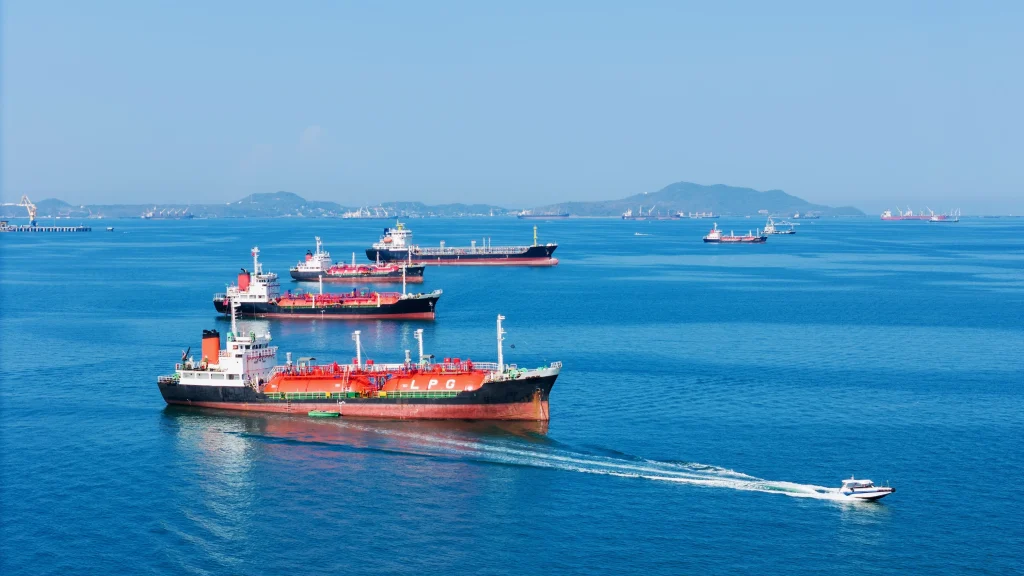
Ongoing instability in the Middle East has continued to affect global commodity and energy markets, adding pressure to transport, manufacturing and food production costs.
Industry observers have warned that any disruption to major shipping routes could further affect oil prices and feed through into the cost base for food retailers and suppliers.