
Bird flu cases rise to 12 as fresh outbreaks hit poultry farms ahead of Christmas

Defra bird housing order
News

Bird flu outbreaks in England have climbed to 12 this season after three more cases were confirmed over the weekend, putting poultry producers under further pressure in the run-up to Christmas.

The Department for Environment, Food and Rural Affairs confirmed the latest outbreak of highly pathogenic avian influenza at a commercial poultry farm near Northallerton, North Yorkshire, on Sunday.

The discovery follows two further cases at farms near Dereham in Norfolk and Driffield in East Yorkshire on 21 and 20 November respectively.

All birds at the affected premises will be culled, with 3km protection zones and 10km surveillance zones established around each site to prevent the disease from spreading.

The latest cases bring England’s total to 12 confirmed H5N1 outbreaks since the start of the 2026/27 bird flu season in October.

The rise comes just days after it was reported that poultry farmers across England had been ordered to keep their birds indoors following an increase in infections.

The nationwide housing order, which came into force on 13 November, applies to anyone keeping 50 or more birds, as well as smaller flocks where eggs, poultry products or live birds are sold or given away.

All bird keepers must also follow stricter biosecurity measures, including disinfecting equipment and footwear, restricting access to poultry housing and preventing contact with wild birds.

Defra has now raised the risk of poultry exposure to bird flu across Great Britain to high where biosecurity measures are poor, while the risk is assessed as medium where strict precautions are consistently followed.

The risk of infection among wild birds remains very high.

The government has also revoked the general licence for poultry gatherings, meaning organisers must now apply for specific permission to hold events involving birds such as chickens, ducks, geese and turkeys.

The escalating outbreak comes at a particularly difficult time for the poultry industry, with producers preparing for Christmas demand.

In its earlier announcement of the housing restrictions, Defra said it did not anticipate any overall impact on the availability of Christmas turkeys or other seasonal poultry.

The UK produces around eight million turkeys each year, with supermarkets relying on domestic suppliers to meet much of the festive demand.

However, further outbreaks could create additional difficulties for individual producers, particularly those operating within disease control zones where restrictions on moving birds and poultry products apply.

Egg producers are also facing tighter controls, although changes to labelling rules mean eggs from free-range flocks can continue to be sold as free-range during mandatory housing periods.

UK chief veterinary officer Christine Middlemiss has urged poultry farmers to remain vigilant and report suspected cases immediately.

“Having avian influenza confirmed in your flock can be devastating,” she said, acknowledging the impact the disease can have on poultry businesses.

The Food Standards Agency has reassured shoppers that bird flu poses a very low food safety risk and that properly cooked poultry and eggs remain safe to eat.

Defra is continuing to monitor outbreaks, with further updates and the latest disease control zones available through its bird flu guidance.

Sign up here to get the latest grocery and food news each morning

News

Leave a Reply

Your email address will not be published. Required fields are marked *

Fill out this field
Fill out this field
Please enter a valid email address.

News

Share:

Bird flu cases rise to 12 as fresh outbreaks hit poultry farms ahead of Christmas
Defra bird housing order

Bird flu outbreaks in England have climbed to 12 this season after three more cases were confirmed over the weekend, putting poultry producers under further pressure in the run-up to Christmas.

The Department for Environment, Food and Rural Affairs confirmed the latest outbreak of highly pathogenic avian influenza at a commercial poultry farm near Northallerton, North Yorkshire, on Sunday.

The discovery follows two further cases at farms near Dereham in Norfolk and Driffield in East Yorkshire on 21 and 20 November respectively.

All birds at the affected premises will be culled, with 3km protection zones and 10km surveillance zones established around each site to prevent the disease from spreading.

The latest cases bring England’s total to 12 confirmed H5N1 outbreaks since the start of the 2026/27 bird flu season in October.

The rise comes just days after it was reported that poultry farmers across England had been ordered to keep their birds indoors following an increase in infections.

The nationwide housing order, which came into force on 13 November, applies to anyone keeping 50 or more birds, as well as smaller flocks where eggs, poultry products or live birds are sold or given away.

All bird keepers must also follow stricter biosecurity measures, including disinfecting equipment and footwear, restricting access to poultry housing and preventing contact with wild birds.

Defra has now raised the risk of poultry exposure to bird flu across Great Britain to high where biosecurity measures are poor, while the risk is assessed as medium where strict precautions are consistently followed.

The risk of infection among wild birds remains very high.

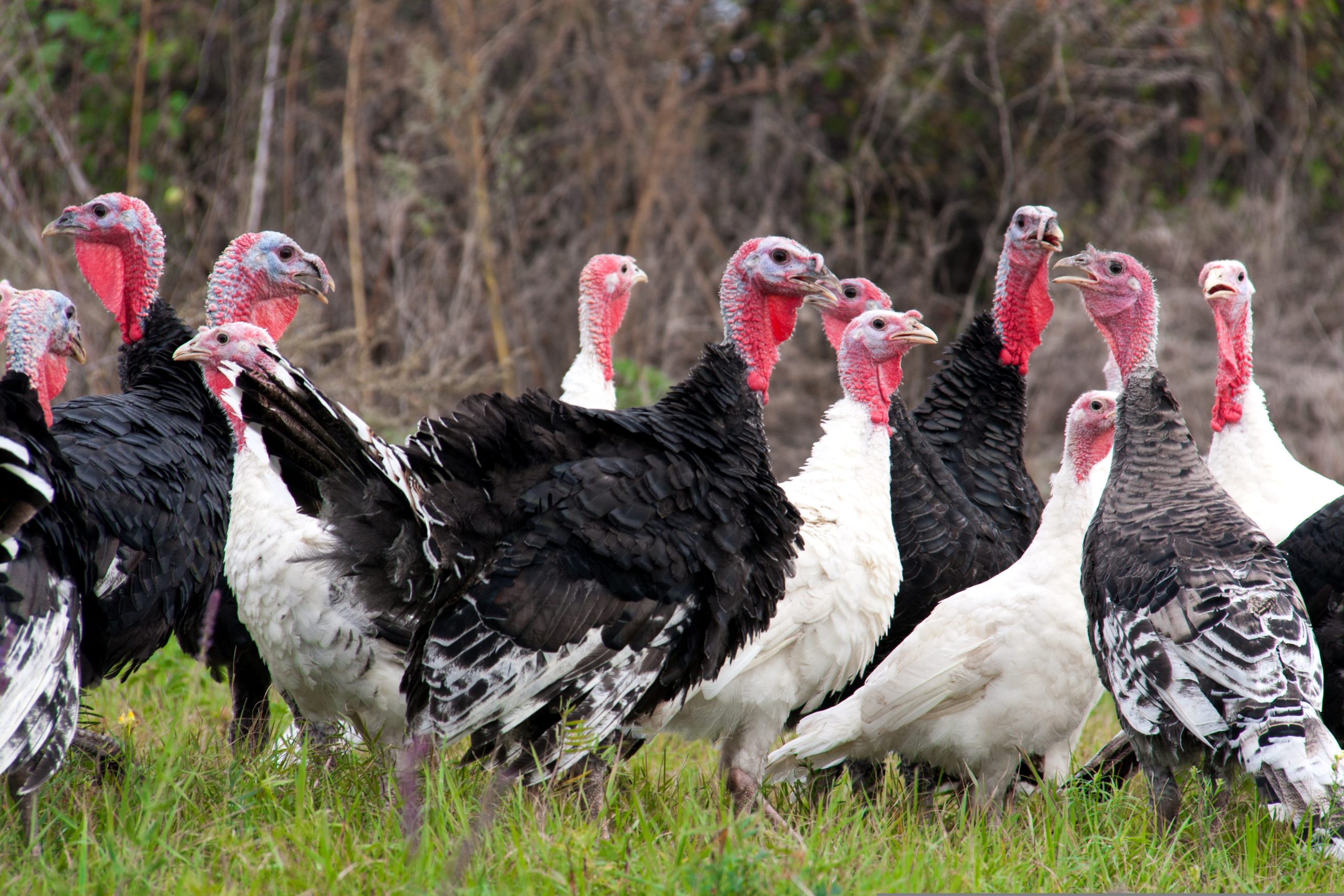
The government has also revoked the general licence for poultry gatherings, meaning organisers must now apply for specific permission to hold events involving birds such as chickens, ducks, geese and turkeys.

The escalating outbreak comes at a particularly difficult time for the poultry industry, with producers preparing for Christmas demand.

In its earlier announcement of the housing restrictions, Defra said it did not anticipate any overall impact on the availability of Christmas turkeys or other seasonal poultry.

The UK produces around eight million turkeys each year, with supermarkets relying on domestic suppliers to meet much of the festive demand.

However, further outbreaks could create additional difficulties for individual producers, particularly those operating within disease control zones where restrictions on moving birds and poultry products apply.

Egg producers are also facing tighter controls, although changes to labelling rules mean eggs from free-range flocks can continue to be sold as free-range during mandatory housing periods.

UK chief veterinary officer Christine Middlemiss has urged poultry farmers to remain vigilant and report suspected cases immediately.

“Having avian influenza confirmed in your flock can be devastating,” she said, acknowledging the impact the disease can have on poultry businesses.

The Food Standards Agency has reassured shoppers that bird flu poses a very low food safety risk and that properly cooked poultry and eggs remain safe to eat.

Defra is continuing to monitor outbreaks, with further updates and the latest disease control zones available through its bird flu guidance.

Sign up here to get the latest grocery and food news each morning

News

Social

SUBSCRIBE TO OUR DAILY NEWSLETTER

  • This field is for validation purposes and should be left unchanged.

Most Read

Most Read

News

Leave a Reply

Your email address will not be published. Required fields are marked *

Fill out this field
Fill out this field
Please enter a valid email address.

RELATED STORIES

Latest Feature

Menu

Please enter the verification code sent to your email: