
UK supermarkets forced to disconnect thousands of fridges in secret cyber operation

News

Britain’s biggest supermarkets have been caught up in a secret nationwide operation to protect tens of thousands of fridges and freezers from hackers, following a series of cyberattacks that have destroyed food stock across Europe.

Major grocery chains have spent weeks disconnecting refrigeration systems from the internet after security researchers discovered a vulnerability that could have allowed hackers to interfere with temperatures.

The operation, which began in late October, involved the National Cyber Security Centre, the Department for Environment, Food and Rural Affairs and the Food Standards Agency, alongside cybersecurity specialists and supermarket IT teams.

Thousands of devices controlling tens of thousands of refrigeration units were taken offline, with some employees instructed to physically unplug internet cables and monitor temperatures manually.

The security flaw was discovered by researchers at Omega Solutions and subsequently investigated by cybersecurity firm Pen Test Partners.

It involved refrigeration controllers manufactured by British company Resource Data Management, whose equipment is widely used across the UK’s food industry.

It followed a string of attacks on supermarket refrigeration systems in Europe, where hackers remotely changed temperatures and triggered defrost cycles, forcing businesses to throw away large quantities of food.

As reported earlier this month, supermarkets across at least seven European countries were targeted, including stores operated by Carrefour, SuperValu, ICA and Delhaize.

Some refrigeration units reached temperatures of 50C, leaving chilled and frozen products unsellable.

The incidents followed an earlier attack on French supermarket chain Intermarché, which affected hundreds of stores in October.

Although UK supermarkets largely escaped those attacks, several British food suppliers were also targeted.

London-based fruit and vegetable wholesaler Langridge Organic reported that six of its 10 refrigeration units had been compromised, while the Association of Independent Meat Suppliers confirmed incidents affecting several members.

RDM has disputed the severity of the vulnerability, arguing that the researchers’ findings involved testing that went beyond normal procedures, including dismantling its hardware.

RDM chief executive Ged Evans said the company had moved quickly to address the concerns, releasing initial security updates and contacting customers with advice on protecting their equipment.

The company said there was no evidence that hackers had exploited the vulnerability in its controllers.

Pen Test Partners said the immediate threat had largely been addressed, although smaller businesses operating refrigeration equipment could still be exposed.

The firm warned that food manufacturers, cold storage warehouses and other businesses further down the supply chain may not yet have received the necessary alerts.

Sign up here to get the latest grocery and food news each morning

News

Leave a Reply

Your email address will not be published. Required fields are marked *

Fill out this field
Fill out this field
Please enter a valid email address.

News

Share:

UK supermarkets forced to disconnect thousands of fridges in secret cyber operation
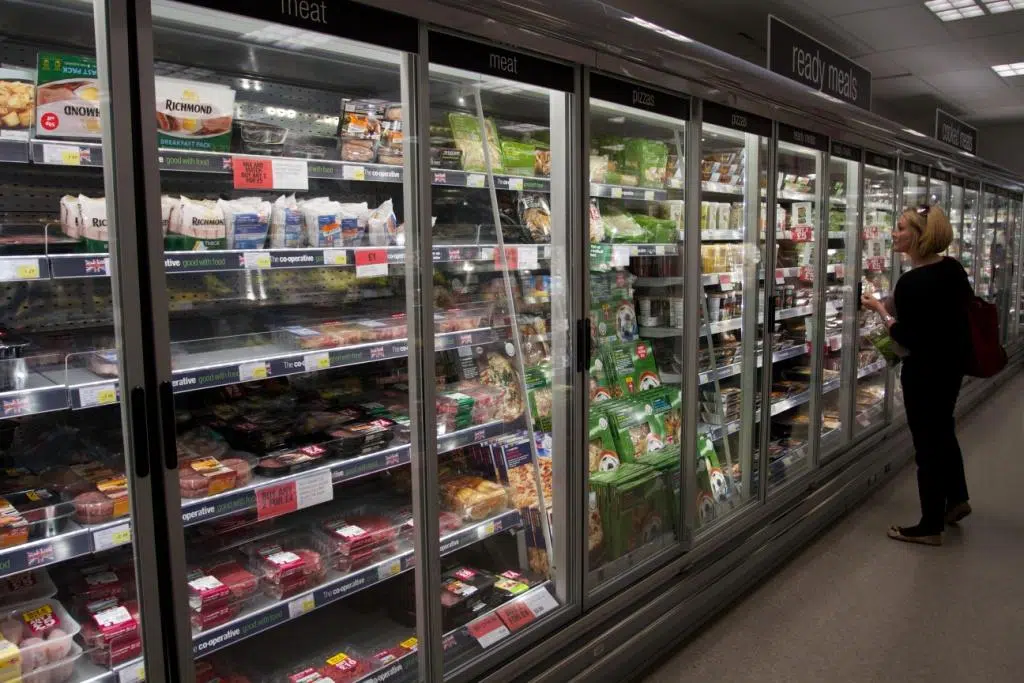
Britain’s biggest supermarkets have been caught up in a secret nationwide operation to protect tens of thousands of fridges and freezers from hackers, following a series of cyberattacks that have destroyed food stock across Europe.

Major grocery chains have spent weeks disconnecting refrigeration systems from the internet after security researchers discovered a vulnerability that could have allowed hackers to interfere with temperatures.

The operation, which began in late October, involved the National Cyber Security Centre, the Department for Environment, Food and Rural Affairs and the Food Standards Agency, alongside cybersecurity specialists and supermarket IT teams.

Thousands of devices controlling tens of thousands of refrigeration units were taken offline, with some employees instructed to physically unplug internet cables and monitor temperatures manually.

The security flaw was discovered by researchers at Omega Solutions and subsequently investigated by cybersecurity firm Pen Test Partners.

It involved refrigeration controllers manufactured by British company Resource Data Management, whose equipment is widely used across the UK’s food industry.

It followed a string of attacks on supermarket refrigeration systems in Europe, where hackers remotely changed temperatures and triggered defrost cycles, forcing businesses to throw away large quantities of food.

As reported earlier this month, supermarkets across at least seven European countries were targeted, including stores operated by Carrefour, SuperValu, ICA and Delhaize.

Some refrigeration units reached temperatures of 50C, leaving chilled and frozen products unsellable.

The incidents followed an earlier attack on French supermarket chain Intermarché, which affected hundreds of stores in October.

Although UK supermarkets largely escaped those attacks, several British food suppliers were also targeted.

London-based fruit and vegetable wholesaler Langridge Organic reported that six of its 10 refrigeration units had been compromised, while the Association of Independent Meat Suppliers confirmed incidents affecting several members.

RDM has disputed the severity of the vulnerability, arguing that the researchers’ findings involved testing that went beyond normal procedures, including dismantling its hardware.

RDM chief executive Ged Evans said the company had moved quickly to address the concerns, releasing initial security updates and contacting customers with advice on protecting their equipment.

The company said there was no evidence that hackers had exploited the vulnerability in its controllers.

Pen Test Partners said the immediate threat had largely been addressed, although smaller businesses operating refrigeration equipment could still be exposed.

The firm warned that food manufacturers, cold storage warehouses and other businesses further down the supply chain may not yet have received the necessary alerts.

Sign up here to get the latest grocery and food news each morning

News

Social

SUBSCRIBE TO OUR DAILY NEWSLETTER

  • This field is for validation purposes and should be left unchanged.

Most Read

Most Read

News

Leave a Reply

Your email address will not be published. Required fields are marked *

Fill out this field
Fill out this field
Please enter a valid email address.

RELATED STORIES

Latest Feature

Menu

Please enter the verification code sent to your email: