
UK supermarkets face fruit and veg supply risks amid reliance on climate-hit imports

Tesco
News

UK supermarkets face growing risks to fruit and vegetable supplies and prices because of the country’s heavy reliance on imports from regions increasingly exposed to extreme weather, a new report has warned.

Research from the Food Foundation found the UK imports around 40 per cent of its food, including 80 per cent of its fruit and 47 per cent of its vegetables, leaving the grocery sector particularly exposed to disruption overseas.

The charity found that 18 of the 20 leading countries supplying Britain with healthy staple foods are considered moderately to severely vulnerable to the effects of climate change.

The findings raise concerns that drought, heatwaves and other extreme weather events in key sourcing markets could increasingly disrupt supermarket supply chains and push up fresh produce prices.

The Food Foundation argued that Britain could reduce some of that exposure by increasing production of fruit and vegetables that can already be grown domestically.

Five of the nine most commonly bought fruits in the UK (apples, strawberries, blueberries, raspberries and pears) can be grown domestically. However, Britain currently produces less than 40 per cent of consumption for four of those products.

The picture is similar for vegetables. Carrots have a comparatively high self-sufficiency rate of 94 per cent, but the UK could produce a greater share of popular lines including tomatoes, mushrooms, peppers, cucumbers, onions, broccoli and green beans. Around half of demand for those vegetables is currently met domestically.

Food Foundation executive director Anna Taylor warned that climate pressures could ultimately make nutritious food less affordable and urged the government to act now to strengthen the resilience of domestic production.

The warning comes after Britain experienced five heatwaves this year alongside drought and wildfires, with hot and dry conditions already hitting domestic crop yields.

UK growers have also been battling rising energy costs, labour shortages, difficult weather and changes to agricultural support following Brexit, limiting the sector’s ability to expand production.

British Apples and Pears chair Ali Capper said growers wanted to produce more but required greater certainty around seasonal labour, water availability, planning rules and energy costs, as well as longer-term commercial agreements and sustainable returns from the market.

The industry is calling for the government to address those pressures through its forthcoming horticulture sector growth plan.

Sign up here to get the latest grocery and food news each morning

News

Leave a Reply

Your email address will not be published. Required fields are marked *

Fill out this field
Fill out this field
Please enter a valid email address.

News

Share:

UK supermarkets face fruit and veg supply risks amid reliance on climate-hit imports
Tesco

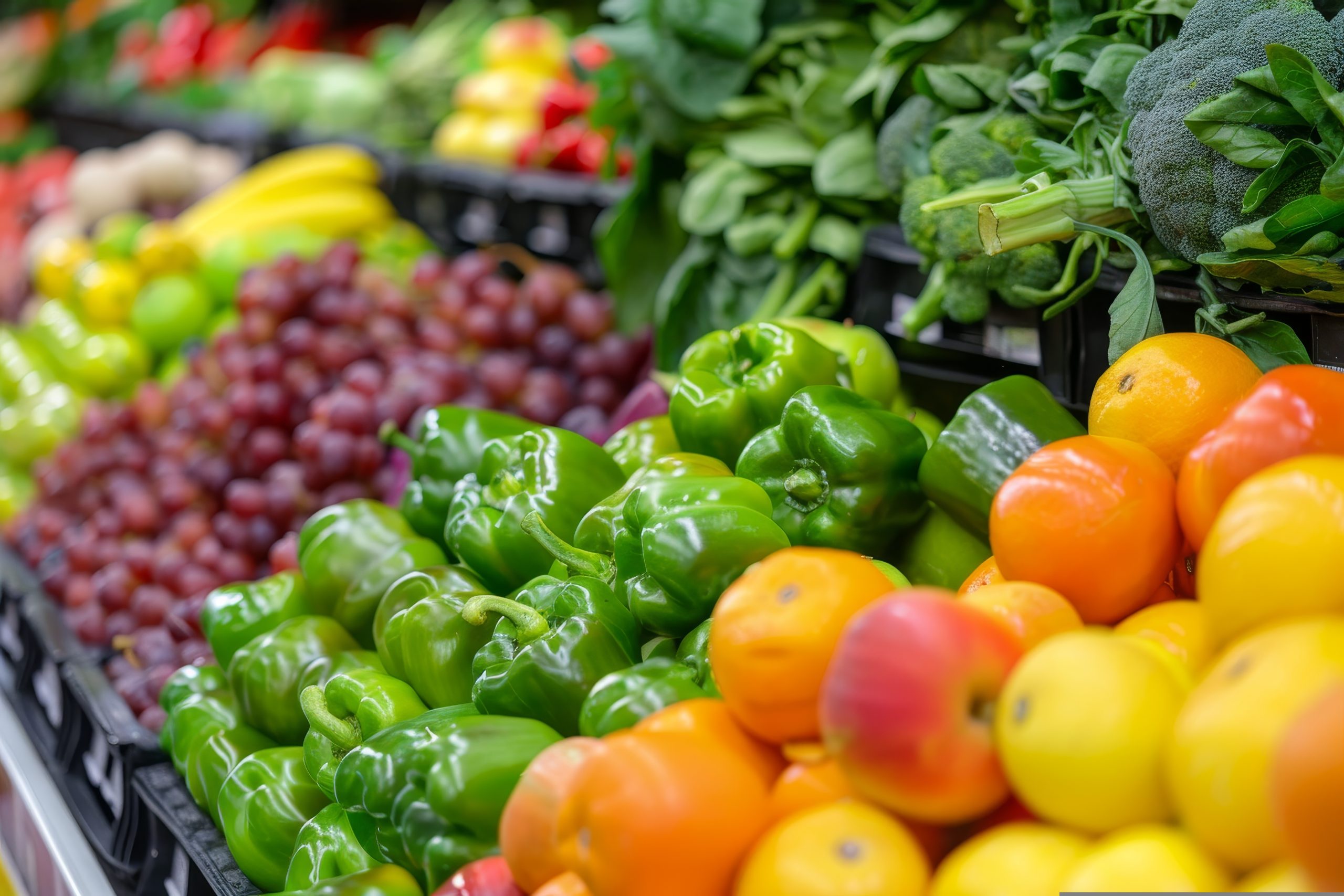
UK supermarkets face growing risks to fruit and vegetable supplies and prices because of the country’s heavy reliance on imports from regions increasingly exposed to extreme weather, a new report has warned.

Research from the Food Foundation found the UK imports around 40 per cent of its food, including 80 per cent of its fruit and 47 per cent of its vegetables, leaving the grocery sector particularly exposed to disruption overseas.

The charity found that 18 of the 20 leading countries supplying Britain with healthy staple foods are considered moderately to severely vulnerable to the effects of climate change.

The findings raise concerns that drought, heatwaves and other extreme weather events in key sourcing markets could increasingly disrupt supermarket supply chains and push up fresh produce prices.

The Food Foundation argued that Britain could reduce some of that exposure by increasing production of fruit and vegetables that can already be grown domestically.

Five of the nine most commonly bought fruits in the UK (apples, strawberries, blueberries, raspberries and pears) can be grown domestically. However, Britain currently produces less than 40 per cent of consumption for four of those products.

The picture is similar for vegetables. Carrots have a comparatively high self-sufficiency rate of 94 per cent, but the UK could produce a greater share of popular lines including tomatoes, mushrooms, peppers, cucumbers, onions, broccoli and green beans. Around half of demand for those vegetables is currently met domestically.

Food Foundation executive director Anna Taylor warned that climate pressures could ultimately make nutritious food less affordable and urged the government to act now to strengthen the resilience of domestic production.

The warning comes after Britain experienced five heatwaves this year alongside drought and wildfires, with hot and dry conditions already hitting domestic crop yields.

UK growers have also been battling rising energy costs, labour shortages, difficult weather and changes to agricultural support following Brexit, limiting the sector’s ability to expand production.

British Apples and Pears chair Ali Capper said growers wanted to produce more but required greater certainty around seasonal labour, water availability, planning rules and energy costs, as well as longer-term commercial agreements and sustainable returns from the market.

The industry is calling for the government to address those pressures through its forthcoming horticulture sector growth plan.

Sign up here to get the latest grocery and food news each morning

News

Social

SUBSCRIBE TO OUR DAILY NEWSLETTER

  • This field is for validation purposes and should be left unchanged.

Most Read

Most Read

News

Leave a Reply

Your email address will not be published. Required fields are marked *

Fill out this field
Fill out this field
Please enter a valid email address.

RELATED STORIES

Latest Feature

Menu

Please enter the verification code sent to your email: