
European farmers turn to night shifts as extreme heat threatens food supplies
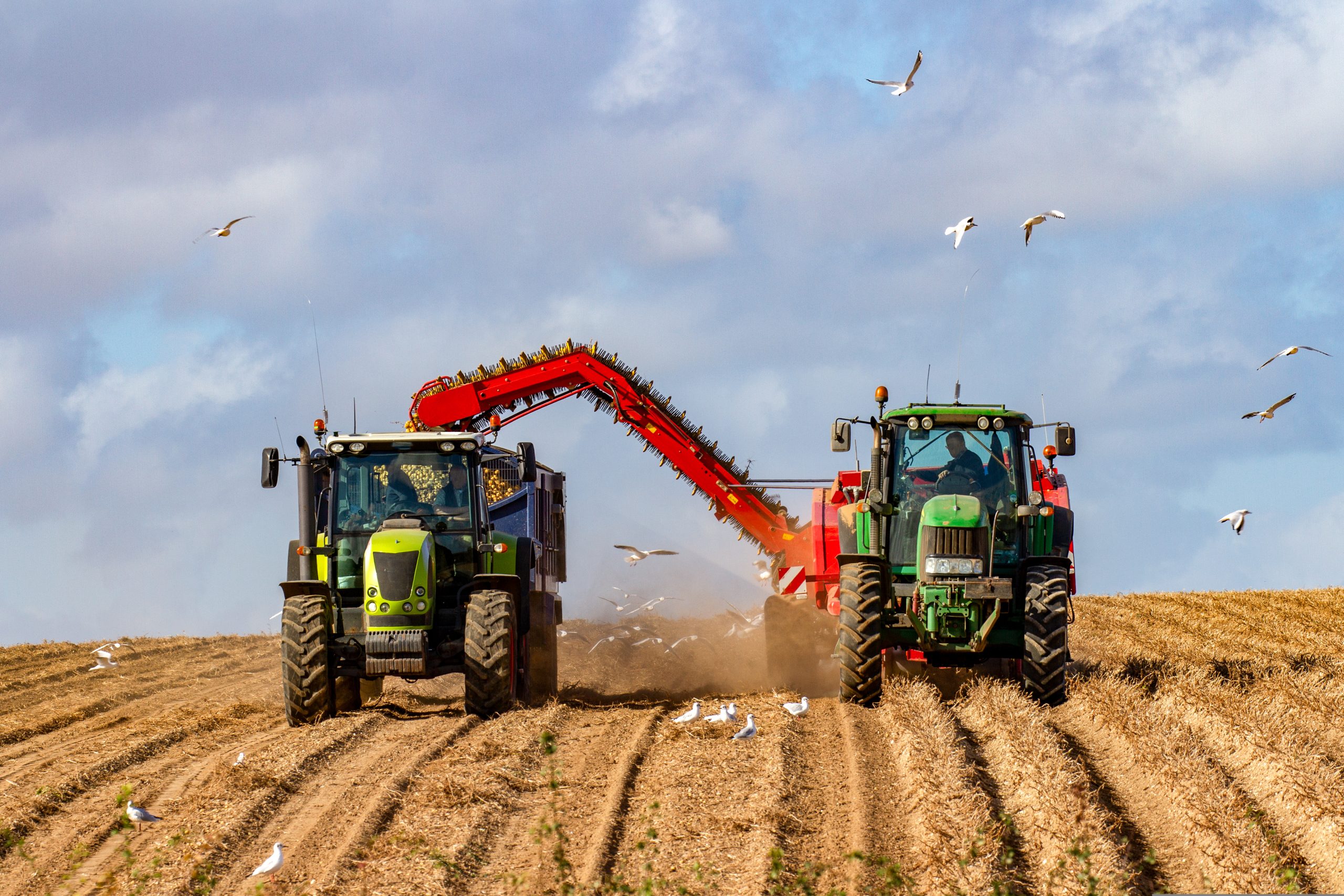
Farmers across Europe are increasingly working through the night due to unprecedented extreme heat, piling further pressure on food production and supply chains.
Growers and livestock farmers in the UK, Spain, Italy and France are changing working hours and investing in cooling equipment as temperatures make traditional daytime farming increasingly difficult.
Farmers have reportedly been conducting harvests as early as 2am, using overnight dew to increase moisture levels in crops sufficiently to meet buyers’ requirements amid exceptionally dry conditions.
The disruption comes as extreme heat takes an increasingly heavy toll on European food production.
The European Commission’s Joint Research Centre recently cut its yield forecasts for all spring and summer crops following exceptional heat and limited rainfall across western and central Europe, with grain maize and sunflower forecasts among the hardest hit.
France is expecting grain maize production to fall by around 35 per cent, while dairy farmers in parts of Italy are also seeing sharp reductions in milk output as cattle struggle with heat stress.
The pressure on dairy has been particularly pronounced in Italy’s Parmigiano Reggiano-producing heartland, where temperatures above 40C have caused cows to eat less and milk yields to fall by as much as 10 per cent on some farms.
Farmers are responding by installing ventilation and misting systems, changing livestock feeding times and investing in equipment to transport additional water, adding further costs to an industry already battling volatile input prices.
The heat has also brought harvests forward. In Catalonia, sparkling wine producer Gramona began picking grapes on 22 July – its earliest harvest on record – with workers starting at 3am under headlamps to protect both the crop and staff from temperatures that have reached 45C.
Meanwhile, Austria’s grain harvest is forecast to fall 19 per cent following an exceptionally hot and dry summer, while livestock farmers have been forced to bring cattle down from mountain pastures early as grass and water supplies dwindle. Some have begun using feed intended for winter or sending cattle for slaughter earlier than planned.
The deteriorating conditions are raising fresh concerns over the resilience of European grocery supply chains and the potential knock-on impact on food prices.
The European Commission has warned that July temperatures in several countries were between 5C and 12C above seasonal averages, with heatwaves becoming increasingly frequent, widespread and unpredictable.
In the UK, the food industry has also warned that prolonged heat and drought could affect the availability and cost of domestically produced food into next year, as crops including broccoli and cherries face pressure and weaker grain harvests push up animal feed costs.
Nearly three-quarters of England is currently in drought following months of unusually dry weather, with farmers reporting reduced yields and pressure on livestock feed supplies.
The changing working patterns underline how the food industry is being forced to adapt at farm level to increasingly unpredictable weather.
For grocers and suppliers, the impact could extend well beyond how and when food is harvested, with reduced crop yields, lower livestock productivity and mounting adaptation costs threatening to feed through into availability and prices across categories ranging from dairy and meat to grains and fresh produce.
Sign up here to get the latest grocery and food news each morning