Why grocery shrink starts before checkout, not at the scanner

News

Grocers have invested heavily in self-checkout controls, but a significant share of shrink begins earlier – when products leave the shelf, are concealed, and never enter the transaction.

Bottomline upfront

Problem: Checkout teams are being asked to stop loss at the till, even though many highly-stolen items are already hidden before the shopper gets there.

Hidden insight: The real blind spot is not scan failure; it’s the unmonitored product journey from shelf to payment.

Implication: Grocers need a product-accountability model that tracks what left the shelf and what got paid for, instead of relying on more blanket friction at self-checkout.

Checkout security begins with the rest of the store

The blind spot is what happens before the scanner. A self-checkout attendant can clear age checks, printer failures, and bagging alerts, but not a product that was concealed several aisles earlier. Retailers usually define front-end loss by visible checkout errors – missed scans, barcode swaps, bottom-of-trolley misses, and produce keyed under the wrong PLU. Those are real issues, but they describe the last step of the problem, not where much of it begins.

That is why the checkout question is too narrow.

Grocers need a product-accountability model, not just a front-end exception model.

With US-based Costco trialing its employee pre-scan model, it is clear that retailers aren’t yet happy with the way checkout works today. Yet having employees scan items while shoppers wait in line is a double-edged sword with some reporting faster checkout times and employees talking about missed items or double-scanned items. Regardless of the checkout model, what’s clear is that juggling lots of items by the scanner leaves room for error.

The better question is not only, “Did the shopper or employee scan correctly?” It’s, “What left the shelf, stayed with the shopper, and got paid for?” That shift matters because grocery is a concealment-friendly format, and many loss events bypass the transaction entirely.

  • Items dropped into a reusable shopping bag as the shopper moves through the store
  • A missed scan in a pile of premium steak or meat items
  • High-value health and beauty items such as razors, skincare, and fragrance slipped into a pocket or handbag
  • A bottle of spirits is nested inside a larger bag before the shopper reaches self-checkout

Once loss is framed around product accountability, more checkout friction becomes unnecessary.

More front-end friction creates the wrong tradeoff

When shrink rises, the instinct is to add more prompts, re-scans, and approvals at the till or even locked boxes in the aisle. But one-size-fits-all controls often slow honest shoppers while missing deliberate, high-value concealment that never shows up in the transaction. In grocery’s low-margin economics, repeated loss of premium items directly weakens the categories expected to drive profit.

  • A produce item that did not register properly can trigger an alert and delay checkout
  • A concealed bottle of premium gin can pass through because nothing at the scanner flags it

So, the next step is not more front-end noise. It is earlier visibility.

Computer vision can make concealed loss visible before payment

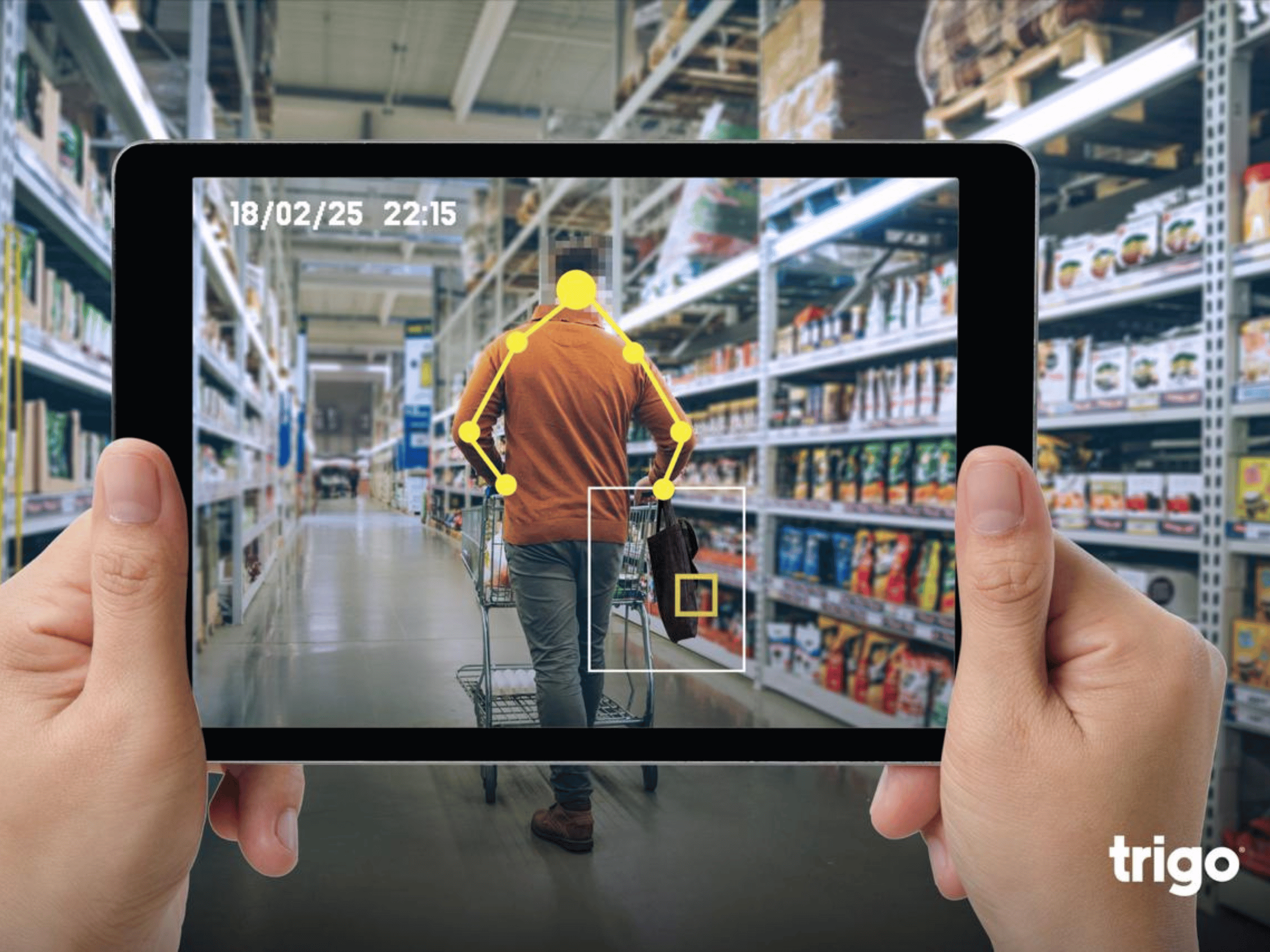
AI-powered computer vision can compare what a shopper picks up with what they actually pay for, tracking product interactions from shelf to checkout using existing CCTV infrastructure. In Trigo’s analysis of over 1,000 verified theft cases, 80% of highly stolen goods were concealed in clothing or bags before the shopper reached the till, while only 20 per cent were visible at the point of payment. For those items, front-end only controls were already too late in the process to be useful.

  • Trigo says its system can surface discrepancies in real-time instead of weeks later in an inventory count
  • The company works with major European grocers including Tesco and Netto
  • Retailers can configure responses by policy, category, and risk threshold

The real operating advantage is not just detection, but using it without burying staff in noise.

Policy control matters more than more alerts

Better visibility matters most when it supports the right response for the right situation. A forgotten loose-produce item might need only a gentle prompt, an unscanned high-value health and beauty item might justify a quiet associate step-in, and a concealed bottle of spirits might require verification before the transaction can complete. The goal is to protect the honest shopper’s experience while raising the bar where retailer policy demands it.

That puts checkout controls back in their proper place: in the hands of the retailer.

Deeper context

This is not an argument that checkout-only controls do not work. It is an argument that they work only for what they can see. Grocers have already shown they can bring structure, automation, and process discipline to the point of payment; the bigger opportunity is to apply that same rigour earlier in the shopping journey, where products first leave the shelf and can disappear from view.

Bottom line

The shrink problem is not only a self-checkout problem or a front-end labour problem. It’s a visibility problem across the full shopping journey. If grocers keep optimising around the visible 20 per cent of highly stolen goods at the till, the concealed 80 per cent will keep moving through the store undetected; the better strategy is store-wide visibility and policy-led intervention that connects shelf interaction to payment.

To find out more about Trigo or to discover how your business can benefit from loss prevention tools, click here.

Sign up here to get the latest grocery and food news each morning

News

Leave a Reply

Your email address will not be published. Required fields are marked *

Fill out this field
Fill out this field
Please enter a valid email address.

News

Share:

Why grocery shrink starts before checkout, not at the scanner
Grocers have invested heavily in self-checkout controls, but a significant share of shrink begins earlier – when products leave the shelf, are concealed, and never enter the transaction.

Bottomline upfront

Problem: Checkout teams are being asked to stop loss at the till, even though many highly-stolen items are already hidden before the shopper gets there.

Hidden insight: The real blind spot is not scan failure; it’s the unmonitored product journey from shelf to payment.

Implication: Grocers need a product-accountability model that tracks what left the shelf and what got paid for, instead of relying on more blanket friction at self-checkout.

Checkout security begins with the rest of the store

The blind spot is what happens before the scanner. A self-checkout attendant can clear age checks, printer failures, and bagging alerts, but not a product that was concealed several aisles earlier. Retailers usually define front-end loss by visible checkout errors – missed scans, barcode swaps, bottom-of-trolley misses, and produce keyed under the wrong PLU. Those are real issues, but they describe the last step of the problem, not where much of it begins.

That is why the checkout question is too narrow.

Grocers need a product-accountability model, not just a front-end exception model.

With US-based Costco trialing its employee pre-scan model, it is clear that retailers aren’t yet happy with the way checkout works today. Yet having employees scan items while shoppers wait in line is a double-edged sword with some reporting faster checkout times and employees talking about missed items or double-scanned items. Regardless of the checkout model, what’s clear is that juggling lots of items by the scanner leaves room for error.

The better question is not only, “Did the shopper or employee scan correctly?” It’s, “What left the shelf, stayed with the shopper, and got paid for?” That shift matters because grocery is a concealment-friendly format, and many loss events bypass the transaction entirely.

  • Items dropped into a reusable shopping bag as the shopper moves through the store
  • A missed scan in a pile of premium steak or meat items
  • High-value health and beauty items such as razors, skincare, and fragrance slipped into a pocket or handbag
  • A bottle of spirits is nested inside a larger bag before the shopper reaches self-checkout

Once loss is framed around product accountability, more checkout friction becomes unnecessary.

More front-end friction creates the wrong tradeoff

When shrink rises, the instinct is to add more prompts, re-scans, and approvals at the till or even locked boxes in the aisle. But one-size-fits-all controls often slow honest shoppers while missing deliberate, high-value concealment that never shows up in the transaction. In grocery’s low-margin economics, repeated loss of premium items directly weakens the categories expected to drive profit.

  • A produce item that did not register properly can trigger an alert and delay checkout
  • A concealed bottle of premium gin can pass through because nothing at the scanner flags it

So, the next step is not more front-end noise. It is earlier visibility.

Computer vision can make concealed loss visible before payment

AI-powered computer vision can compare what a shopper picks up with what they actually pay for, tracking product interactions from shelf to checkout using existing CCTV infrastructure. In Trigo’s analysis of over 1,000 verified theft cases, 80% of highly stolen goods were concealed in clothing or bags before the shopper reached the till, while only 20 per cent were visible at the point of payment. For those items, front-end only controls were already too late in the process to be useful.

  • Trigo says its system can surface discrepancies in real-time instead of weeks later in an inventory count
  • The company works with major European grocers including Tesco and Netto
  • Retailers can configure responses by policy, category, and risk threshold

The real operating advantage is not just detection, but using it without burying staff in noise.

Policy control matters more than more alerts

Better visibility matters most when it supports the right response for the right situation. A forgotten loose-produce item might need only a gentle prompt, an unscanned high-value health and beauty item might justify a quiet associate step-in, and a concealed bottle of spirits might require verification before the transaction can complete. The goal is to protect the honest shopper’s experience while raising the bar where retailer policy demands it.

That puts checkout controls back in their proper place: in the hands of the retailer.

Deeper context

This is not an argument that checkout-only controls do not work. It is an argument that they work only for what they can see. Grocers have already shown they can bring structure, automation, and process discipline to the point of payment; the bigger opportunity is to apply that same rigour earlier in the shopping journey, where products first leave the shelf and can disappear from view.

Bottom line

The shrink problem is not only a self-checkout problem or a front-end labour problem. It’s a visibility problem across the full shopping journey. If grocers keep optimising around the visible 20 per cent of highly stolen goods at the till, the concealed 80 per cent will keep moving through the store undetected; the better strategy is store-wide visibility and policy-led intervention that connects shelf interaction to payment.

To find out more about Trigo or to discover how your business can benefit from loss prevention tools, click here.

Sign up here to get the latest grocery and food news each morning

News

Social

SUBSCRIBE TO OUR DAILY NEWSLETTER

  • This field is for validation purposes and should be left unchanged.

Most Read

Most Read

News

Leave a Reply

Your email address will not be published. Required fields are marked *

Fill out this field
Fill out this field
Please enter a valid email address.

RELATED STORIES

Latest Feature

Menu

Please enter the verification code sent to your email: