‘Bacon backlash’ hits supermarket sales as shoppers turn to nitrite-free alternatives

News

UK supermarkets are seeing declining demand for traditionally cured bacon as growing consumer concerns about the health risks of nitrites begin to reshape the category.

Sales of nitrite-cured bacon fell 7.3 per cent in the 12 weeks to 25 January, according to data from Worldpanel by Numerator published by the Coalition Against Nitrites. Shoppers spent £238.4m on the products during the period, down from £257m a year earlier.

The fall has been described by campaigners as evidence of a growing consumer backlash against the chemicals used to preserve processed meats.

“A dramatic market shift is under way,” a spokesperson for the Coalition Against Nitrites said. “£18.7m has been wiped off nitrite-cured bacon sales in just three months. That’s not a fluctuation – it’s a consumer revolt.”

In contrast, sales of nitrite-free bacon are on the rise. Products made without the preservative, sold by retailers including Marks & Spencer and Waitrose, alongside brands such as Finnebrogue, increased 21.7 per cent in value during the same 12-week period, reaching £9.4m.

The trend reflects a broader shift in consumer attitudes towards processed meat following warnings from health bodies. In 2016, the World Health Organization classified processed meats such as bacon as carcinogenic, placing them in the same category as smoking and asbestos.

Despite this, the vast majority of bacon sold in the UK continues to be cured using nitrites, which help maintain the meat’s pink colour and extend shelf life.

Campaigners argue that the latest sales data suggests consumer sentiment is beginning to change.

Prof Chris Elliott, a food safety expert involved in the Coalition Against Nitrites, said: “Consumers are moving first, responding to the overwhelming scientific evidence linking nitrite-cured meats to cancer and the realisation that these chemicals simply don’t need to be used to make the bacon and ham that so many of us love.”

The campaign to phase out nitrites has gained cross-party political support, with MPs and peers from Labour, Conservative, Green, Liberal Democrat and Democratic Unionist parties backing calls for ministers to introduce restrictions.

However, regulators have taken a more cautious stance. The Food Standards Agency said the link between nitrites and health risks “remains inconclusive”.

Longer-term data suggests the overall bacon market may also be under pressure. Separate figures from Worldpanel by Numerator show total bacon sales declined 4.9 per cent in the year to November, falling to £1.03bn. Over the same period, nitrite-free bacon sales rose 2.9 per cent to just over £31m.

Rebecca Tobi, head of food business transformation at the Food Foundation thinktank, said the shift away from traditionally cured products could have positive health implications.

“Declining sales of traditional cured bacon will be good for the nation’s health in the long term,” she said. “The emergence of nitrite-free options means that those who continue to eat bacon have a healthier alternative available.”

She added that processed meat still makes up around a third of meat consumption in the UK, with an even higher share among children, despite evidence linking it to increased risk of chronic diseases including bowel cancer.

Industry bodies, however, emphasise that nitrites continue to play an important role in food safety.

Nick Allen, chief executive of the British Meat Processors Association, said decisions around curing methods ultimately sit with product brand owners rather than processors.

“While nitrites play an important role in food safety, the ultimate decision on the amount used in different curing recipes rests not with the processors but with the product brand owners,” he said.

Allen added that producers have already been working to reduce nitrite levels where possible.

“There has been significant and ongoing work by processors to reduce nitrites in cured pork products. Our producers have, over several years, been implementing new methods to get nitrite use as low as possible without jeopardising public health.”

Subscribe to Grocery Gazette for free

Sign up here to get the latest grocery and food news each morning


News

Leave a Reply

Your email address will not be published. Required fields are marked *

Fill out this field
Fill out this field
Please enter a valid email address.

News

Share:

‘Bacon backlash’ hits supermarket sales as shoppers turn to nitrite-free alternatives
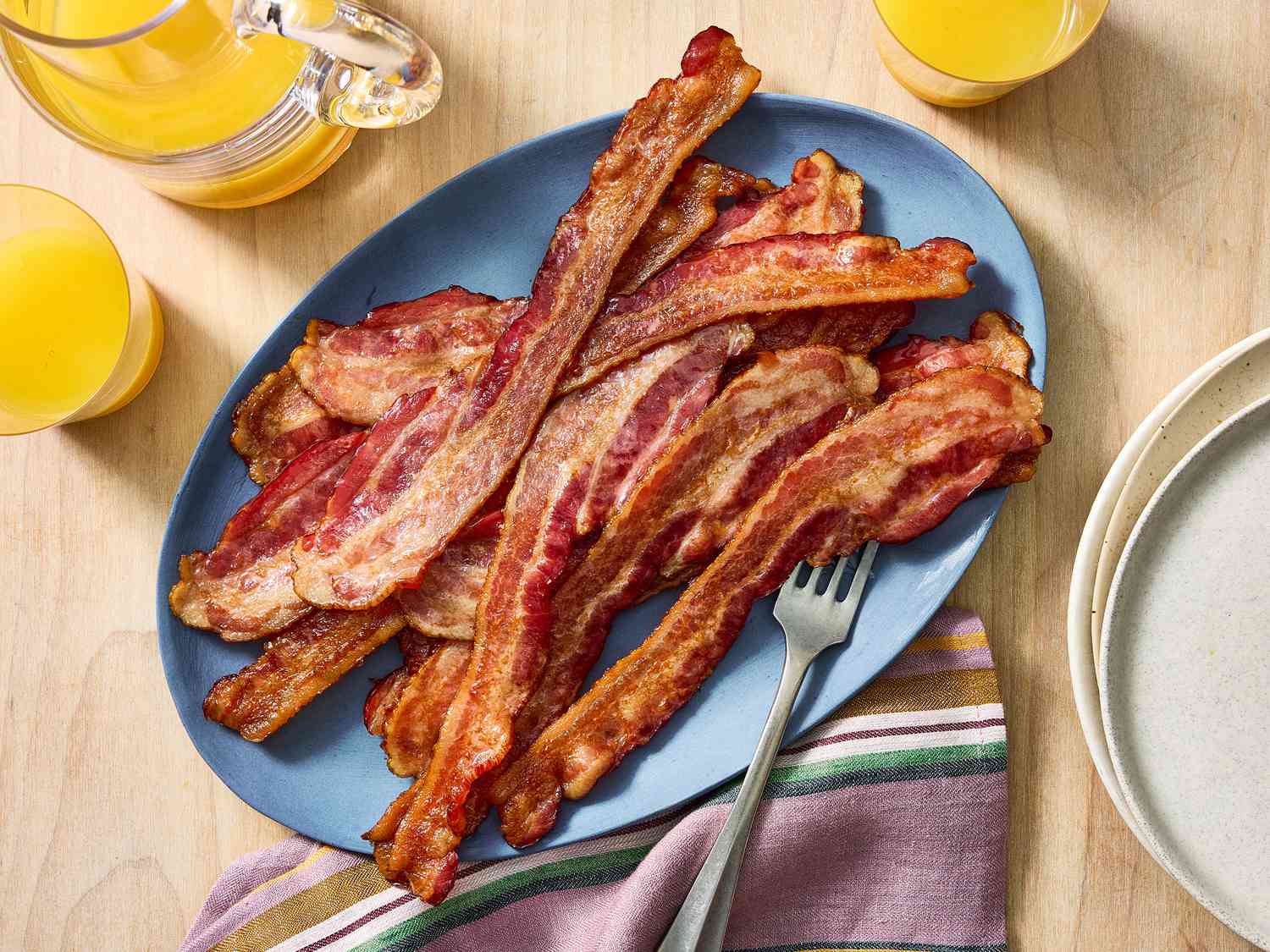
UK supermarkets are seeing declining demand for traditionally cured bacon as growing consumer concerns about the health risks of nitrites begin to reshape the category.

Sales of nitrite-cured bacon fell 7.3 per cent in the 12 weeks to 25 January, according to data from Worldpanel by Numerator published by the Coalition Against Nitrites. Shoppers spent £238.4m on the products during the period, down from £257m a year earlier.

The fall has been described by campaigners as evidence of a growing consumer backlash against the chemicals used to preserve processed meats.

“A dramatic market shift is under way,” a spokesperson for the Coalition Against Nitrites said. “£18.7m has been wiped off nitrite-cured bacon sales in just three months. That’s not a fluctuation – it’s a consumer revolt.”

In contrast, sales of nitrite-free bacon are on the rise. Products made without the preservative, sold by retailers including Marks & Spencer and Waitrose, alongside brands such as Finnebrogue, increased 21.7 per cent in value during the same 12-week period, reaching £9.4m.

The trend reflects a broader shift in consumer attitudes towards processed meat following warnings from health bodies. In 2016, the World Health Organization classified processed meats such as bacon as carcinogenic, placing them in the same category as smoking and asbestos.

Despite this, the vast majority of bacon sold in the UK continues to be cured using nitrites, which help maintain the meat’s pink colour and extend shelf life.

Campaigners argue that the latest sales data suggests consumer sentiment is beginning to change.

Prof Chris Elliott, a food safety expert involved in the Coalition Against Nitrites, said: “Consumers are moving first, responding to the overwhelming scientific evidence linking nitrite-cured meats to cancer and the realisation that these chemicals simply don’t need to be used to make the bacon and ham that so many of us love.”

The campaign to phase out nitrites has gained cross-party political support, with MPs and peers from Labour, Conservative, Green, Liberal Democrat and Democratic Unionist parties backing calls for ministers to introduce restrictions.

However, regulators have taken a more cautious stance. The Food Standards Agency said the link between nitrites and health risks “remains inconclusive”.

Longer-term data suggests the overall bacon market may also be under pressure. Separate figures from Worldpanel by Numerator show total bacon sales declined 4.9 per cent in the year to November, falling to £1.03bn. Over the same period, nitrite-free bacon sales rose 2.9 per cent to just over £31m.

Rebecca Tobi, head of food business transformation at the Food Foundation thinktank, said the shift away from traditionally cured products could have positive health implications.

“Declining sales of traditional cured bacon will be good for the nation’s health in the long term,” she said. “The emergence of nitrite-free options means that those who continue to eat bacon have a healthier alternative available.”

She added that processed meat still makes up around a third of meat consumption in the UK, with an even higher share among children, despite evidence linking it to increased risk of chronic diseases including bowel cancer.

Industry bodies, however, emphasise that nitrites continue to play an important role in food safety.

Nick Allen, chief executive of the British Meat Processors Association, said decisions around curing methods ultimately sit with product brand owners rather than processors.

“While nitrites play an important role in food safety, the ultimate decision on the amount used in different curing recipes rests not with the processors but with the product brand owners,” he said.

Allen added that producers have already been working to reduce nitrite levels where possible.

“There has been significant and ongoing work by processors to reduce nitrites in cured pork products. Our producers have, over several years, been implementing new methods to get nitrite use as low as possible without jeopardising public health.”

Subscribe to Grocery Gazette for free

Sign up here to get the latest grocery and food news each morning

 

News

Social

SUBSCRIBE TO OUR DAILY NEWSLETTER

  • This field is for validation purposes and should be left unchanged.

Most Read

Most Read

News

Leave a Reply

Your email address will not be published. Required fields are marked *

Fill out this field
Fill out this field
Please enter a valid email address.

RELATED STORIES

Latest Feature

Menu

Please enter the verification code sent to your email: