Food inflation ‘jumps significantly’ as supermarkets face rising costs

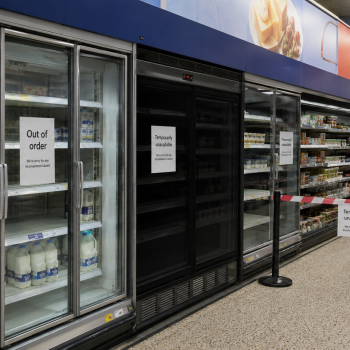
Supermarket - re food inflation Asda
NewsSupermarkets

Food inflation jumped “significantly” in January as headline inflation rose to its highest point in almost a year, new figures show.

According to the Office for National Statistics (ONS), headline inflation rose to 3% in the 12 months to January 2025, up from 2.5% in December 2024, while food and non-alcoholic beverage inflation increased to 3.3%, up from 2% – the highest annual rate since March 2024.

There were upward contributions to the change in the annual rate of inflation over the period in seven out of 11 food classes, with the largest changes across meat, and bread and cereals, up 0.04% and 0.03% respectively.

Other smaller contributions came from fish, milk, cheese and eggs, sugar, jam, honey, syrups, chocolate and confectionery, coffee, tea and cocoa, and mineral waters, soft drinks and juices.

The Food and Drink Federation (FDF) director of industry growth and sustainability Balwinder Dhoot said: “Rising energy and water bills as well as higher commodity prices, like dairy and cocoa, are all having an impact on production costs.”


Subscribe to Grocery Gazette for free

Sign up here to get the latest grocery and food news each morning


British Retail Consortium (BRC) director of insight Kris Hamer added that food inflation “jumped significantly as retailers anticipated significant additional costs such as the changes to Employers’ National Insurance and increases to the National Living Wage, coming into force in April”.

The industry claims these changes, which also include the roll out of the Extended Producer Responsibility (EPR) environmental levy, will add £7bn of extra costs.

Hamer said that prices are “expected to rise across the board” over the course of the year, adding that “if the government wishes to keep inflation under control, which would ease the burden on consumers, it should mitigate the huge cumulative costs facing the retail industry”.

He noted that “speeding up” business rates reform or “delaying” new packaging taxes would help “ease the pressure on prices for the rest of 2025.”

Dhoot agreed that this month “Isn’t likely to be a flash in the pan for rising food and drink prices,” as these additional costs for retailers are expected to “filter through to shoppers over the coming year”.

“We urge government to work with industry to simplify regulation and bring business costs down to help protect consumers from rising prices,” she added.

NewsSupermarkets

Leave a Reply

Your email address will not be published. Required fields are marked *

Fill out this field
Fill out this field
Please enter a valid email address.

NewsSupermarkets

Share:

Food inflation ‘jumps significantly’ as supermarkets face rising costs
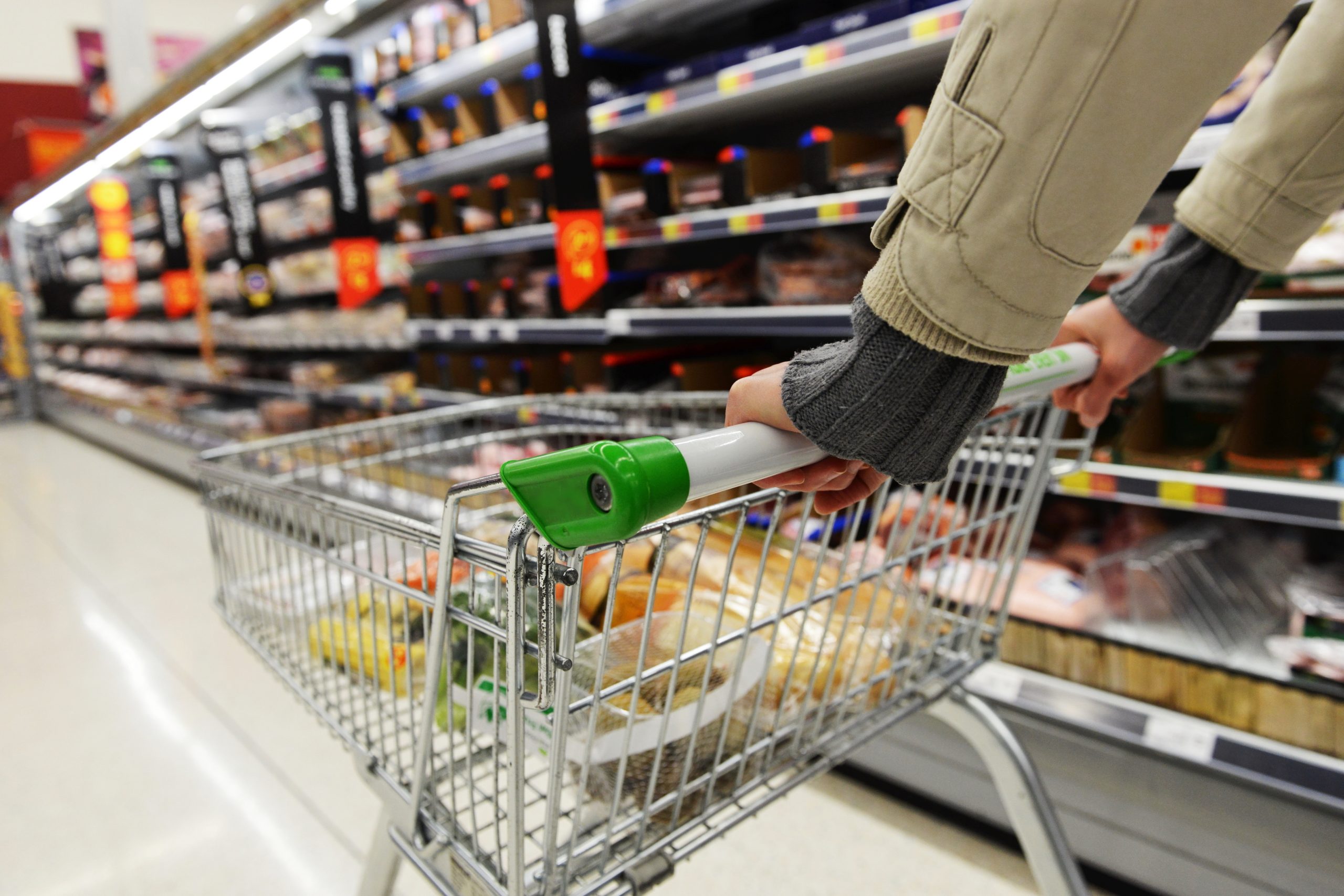
Supermarket - re food inflation Asda

Food inflation jumped “significantly” in January as headline inflation rose to its highest point in almost a year, new figures show.

According to the Office for National Statistics (ONS), headline inflation rose to 3% in the 12 months to January 2025, up from 2.5% in December 2024, while food and non-alcoholic beverage inflation increased to 3.3%, up from 2% – the highest annual rate since March 2024.

There were upward contributions to the change in the annual rate of inflation over the period in seven out of 11 food classes, with the largest changes across meat, and bread and cereals, up 0.04% and 0.03% respectively.

Other smaller contributions came from fish, milk, cheese and eggs, sugar, jam, honey, syrups, chocolate and confectionery, coffee, tea and cocoa, and mineral waters, soft drinks and juices.

The Food and Drink Federation (FDF) director of industry growth and sustainability Balwinder Dhoot said: “Rising energy and water bills as well as higher commodity prices, like dairy and cocoa, are all having an impact on production costs.”


Subscribe to Grocery Gazette for free

Sign up here to get the latest grocery and food news each morning


British Retail Consortium (BRC) director of insight Kris Hamer added that food inflation “jumped significantly as retailers anticipated significant additional costs such as the changes to Employers’ National Insurance and increases to the National Living Wage, coming into force in April”.

The industry claims these changes, which also include the roll out of the Extended Producer Responsibility (EPR) environmental levy, will add £7bn of extra costs.

Hamer said that prices are “expected to rise across the board” over the course of the year, adding that “if the government wishes to keep inflation under control, which would ease the burden on consumers, it should mitigate the huge cumulative costs facing the retail industry”.

He noted that “speeding up” business rates reform or “delaying” new packaging taxes would help “ease the pressure on prices for the rest of 2025.”

Dhoot agreed that this month “Isn’t likely to be a flash in the pan for rising food and drink prices,” as these additional costs for retailers are expected to “filter through to shoppers over the coming year”.

“We urge government to work with industry to simplify regulation and bring business costs down to help protect consumers from rising prices,” she added.

NewsSupermarkets

Social

SUBSCRIBE TO OUR DAILY NEWSLETTER

  • This field is for validation purposes and should be left unchanged.

Most Read

NewsSupermarkets

Leave a Reply

Your email address will not be published. Required fields are marked *

Fill out this field
Fill out this field
Please enter a valid email address.

RELATED STORIES

Most Read

Latest Feature

Menu

Please enter the verification code sent to your email: