
Disposable BBQ sales halted over wildfire risk
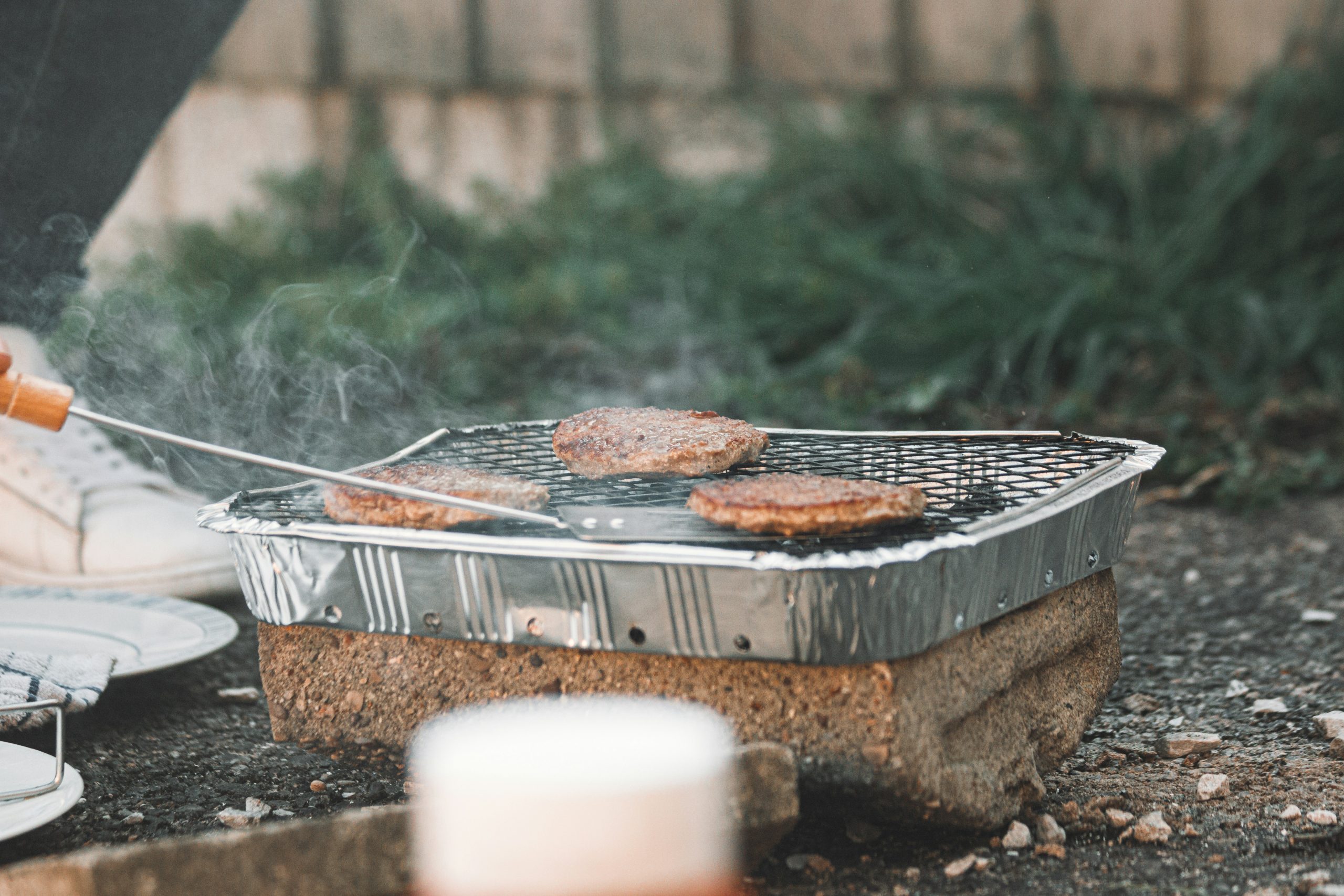
The sales of disposal barbecues have temporarily been banned, as they pose a “risk to the public” during the continued drought and heatwave across the UK.
According to the Department for Business, Innovation, Science and Trade (DBIST) these BBQs have been the cause of “a number of serious wildfires across the country over the summer months”.
It comes after a potential ban was first discussed at an emergency Cobra meeting on the government’s response to record temperatures earlier this week.
DBIST said disposable BBQs “cannot be considered a safe product” in the current conditions and they “must not be made available for sale either in store or online at the current time”.
All retailers will be receiving guidance about the change, which will be kept under review, Prime Minister Andy Burnham told the BBC.
Burnham added that some of the wildfires burning across the country will have been started by disposable barbecues.
Subscribe to Grocery Gazette for free
Sign up here to get the latest grocery and food news each morning
He described the country as “a tinderbox”, with fire crews in the West Midlands battling multiple blazes. A 40-acre grass fire near Stourbridge Golf Club spread into residential neighborhoods. Six homes were left in ruins in Stourbridge, and four homes burnt down in Stoke-on-Trent. Three firefighters and a child were hospitalised for smoke inhalation.
The UK has recorded 1,017 wildfires across England and Wales so far this year. Driven by consecutive record-breaking heatwaves and worsening drought, this matches the entire record-setting total of last year.
Supermarkets are already facing mounting pressure on fresh produce supplies as England’s widening drought and latest heatwave hit fruit and vegetable growers.
Almost three-quarters of England is now in drought, with the East Midlands, Lincolnshire and Northamptonshire, Kent and East Sussex, and Solent and the South Downs among the latest areas to move into drought status.
The National Drought Group warned pressure on water resources is increasing across agriculture, public supplies and the environment. This has raised concerns over the availability, quality and cost of British-grown fruit and vegetables for retailers.