
Ban on chicken cages and pig crates under new animal welfare policy

animal
News

The Government has made changes to its animal welfare policies to improve animal farming conditions.

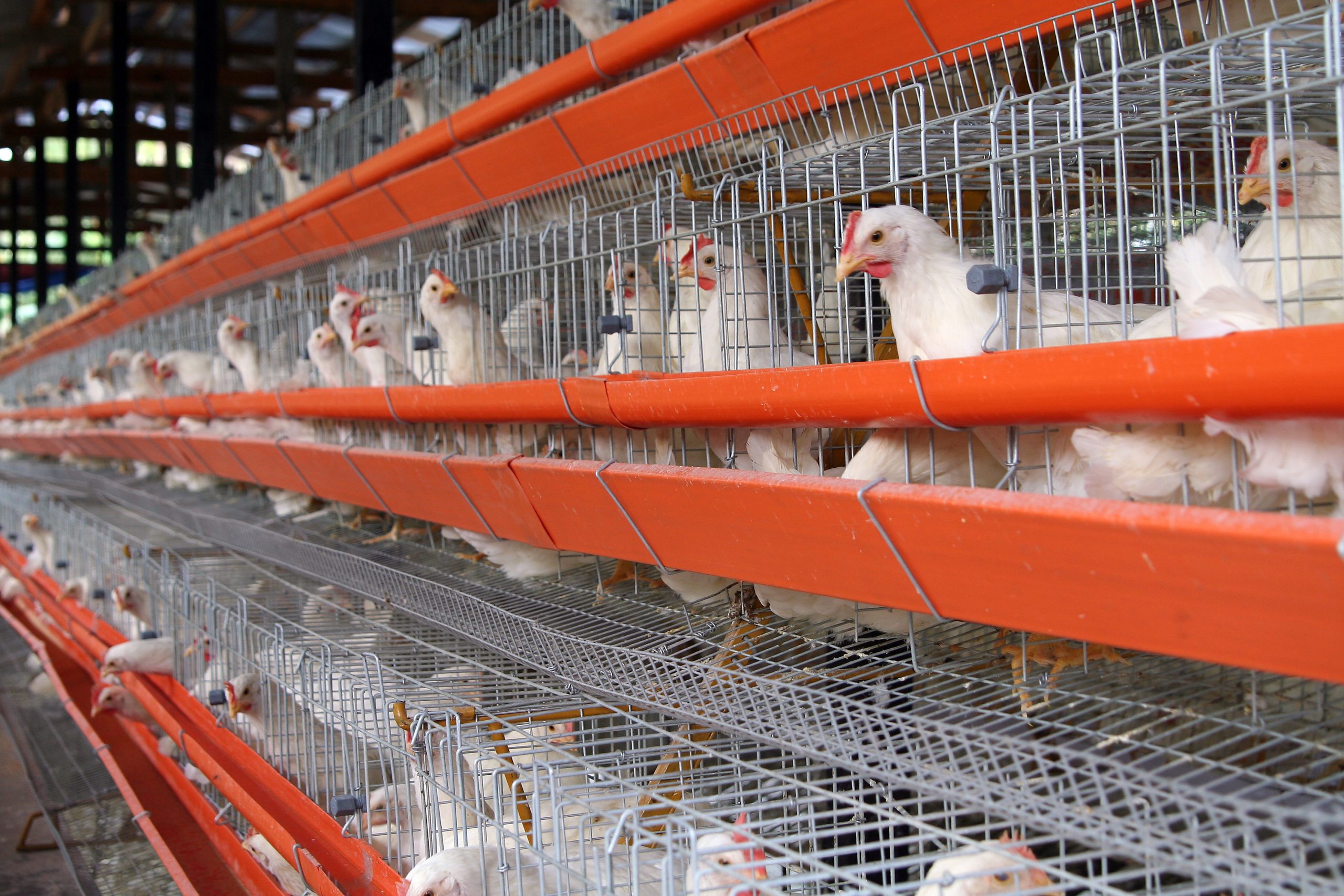
The move will mean British farmers will be required to end confinement systems, including colony cages for laying hens and pig farrowing crates.

Additionally, the UK Government will be introducing humane slaughter requirements for farmed fish to spare them avoidable pain and promote the use of slow-growing meat chicken breeds.

The Department for Environment, Food & Rural Affairs (DEFRA) will also address the welfare issues which arise from the use of carbon dioxide to stun pigs.

The UK Government will work alongside interested parties to implement the new changes by 2030.


Subscribe to Grocery Gazette for free

Sign up here to get the latest grocery and food news each morning


Thomas Schultz-Jagow, director of advocacy and prevention at RSPCA, said: “The Government’s new Animal Welfare Strategy is a significant step forward which has the potential to improve the lives of millions of animals.

The Humane League UK welcomed the Government’s decision to take the first steps towards banning cages.

Sean Gifford, managing director at The Humane League UK, said: “Cruelly confining animals to cages is a stain on British farming, and we are thrilled to see this Government finally following the lead of other countries like Germany and Austria, who have already banned them.

“The vast majority of the British public thinks raising animals in tiny cages is unnecessary and morally wrong. Seven million hens are still languishing in confinement and need the Government to now move quickly and put cages into the history books.”

News

1 Comment. Leave new

  • Bob 2 hours ago

    What will happen to all the cages?

    Reply

Leave a Reply

Your email address will not be published. Required fields are marked *

Fill out this field
Fill out this field
Please enter a valid email address.

News

Share:

Ban on chicken cages and pig crates under new animal welfare policy
animal
News

Social

SUBSCRIBE TO OUR DAILY NEWSLETTER

  • This field is for validation purposes and should be left unchanged.

Most Read

The Government has made changes to its animal welfare policies to improve animal farming conditions.

The move will mean British farmers will be required to end confinement systems, including colony cages for laying hens and pig farrowing crates.

Additionally, the UK Government will be introducing humane slaughter requirements for farmed fish to spare them avoidable pain and promote the use of slow-growing meat chicken breeds.

The Department for Environment, Food & Rural Affairs (DEFRA) will also address the welfare issues which arise from the use of carbon dioxide to stun pigs.

The UK Government will work alongside interested parties to implement the new changes by 2030.


Subscribe to Grocery Gazette for free

Sign up here to get the latest grocery and food news each morning


Thomas Schultz-Jagow, director of advocacy and prevention at RSPCA, said: “The Government’s new Animal Welfare Strategy is a significant step forward which has the potential to improve the lives of millions of animals.

The Humane League UK welcomed the Government’s decision to take the first steps towards banning cages.

Sean Gifford, managing director at The Humane League UK, said: “Cruelly confining animals to cages is a stain on British farming, and we are thrilled to see this Government finally following the lead of other countries like Germany and Austria, who have already banned them.

“The vast majority of the British public thinks raising animals in tiny cages is unnecessary and morally wrong. Seven million hens are still languishing in confinement and need the Government to now move quickly and put cages into the history books.”

News

1 Comment. Leave new

  • Bob 2 hours ago

    What will happen to all the cages?

    Reply

Leave a Reply

Your email address will not be published. Required fields are marked *

Fill out this field
Fill out this field
Please enter a valid email address.

RELATED STORIES

Most Read

Latest Feature

Menu

Please enter the verification code sent to your email: