
Asda owner posts £600m loss as debt costs soar
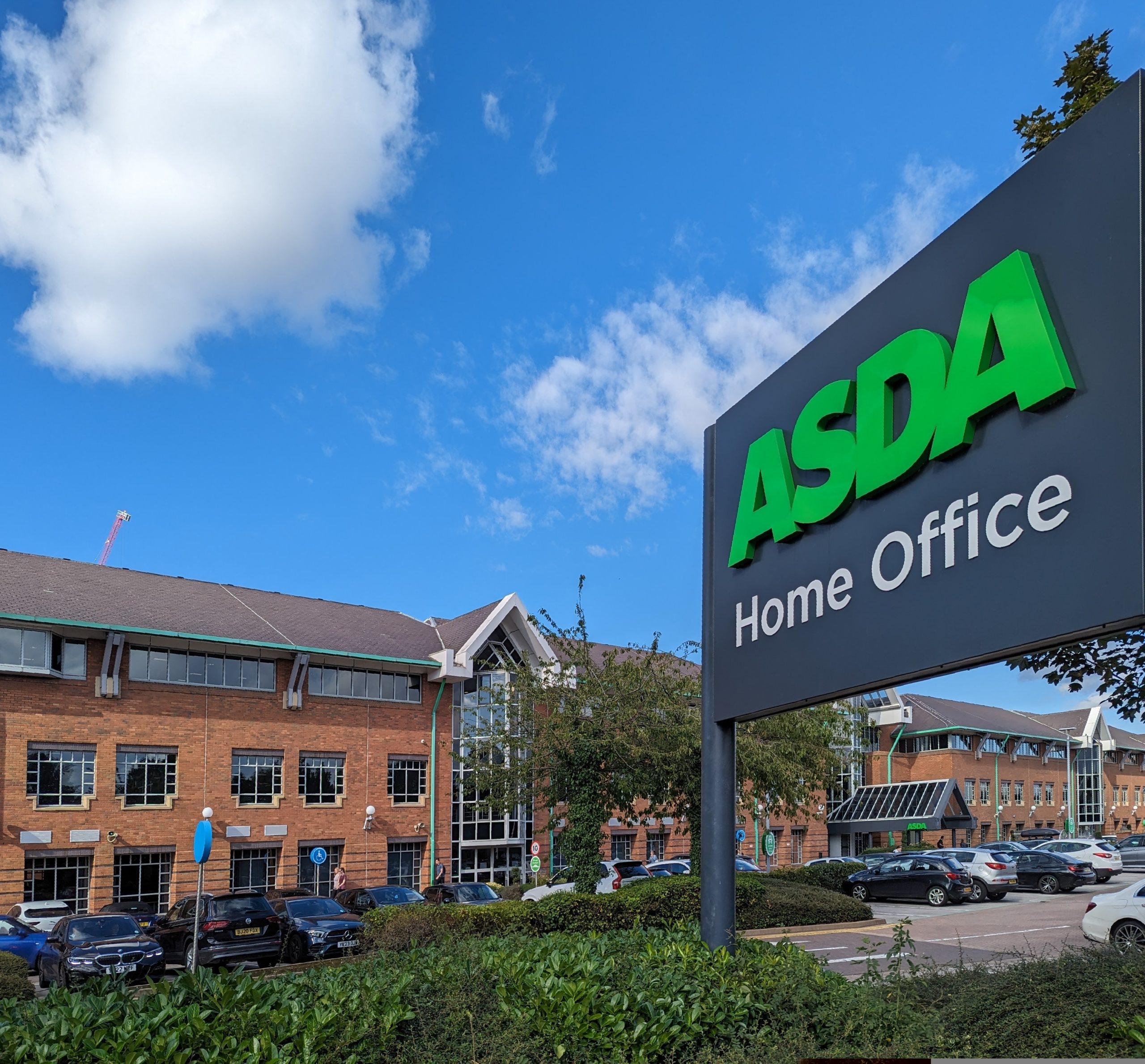
Asda’s holding company Bellis Finco fell deep into the red last year, posting a £599m pre-tax loss for the year to 31 December 2024, according to newly filed accounts at Companies House.
Like-for-like sales at Asda declined by 3.4%, even as total revenues edged up to £26.8bn from £25.6bn, driven by store acquisitions and expansion into convenience, reported The Guardian.
The business says a decline in underlying sales triggered a £378m impairment on the value of Asda’s estate, while finance costs soared 38% to £611m as rising interest rates pushed up the cost of servicing its £4.9bn debt pile.
It is understood, Asda also booked a further £310m in costs for its ongoing “Project Future” IT transition, bringing total spend on the post-Walmart systems migration to £889m, £89m over budget. However, the project is now due for completion later this year.
The Leeds-based retailer, which operates more than 580 supermarkets, almost 500 convenience stores and 769 forecourts, was acquired by TDR Capital and the Issa brothers in 2020 for £6.8bn.
Subscribe to Grocery Gazette for free
Sign up here to get the latest grocery and food news each morning
Since then, the group has been battling to stabilise operations and regain lost market share.
Asda’s share of the grocery market currently sits at 11.9%, down from 15% at the time of the deal, according to Kantar.
Executive chairman Allan Leighton, who rejoined the business last year, has warned it could take three to five years to return Asda to full strength.
Last month he said the group was prepared for a “material reduction” in profits this year as it pumps cash into price cuts and store investment in a bid to reposition as the UK’s leading value grocer.
An Asda spokesperson told Grocery Gazette: “Asda’s core business remains strong and profitable, delivering a pre-tax profit of £115m before exceptional items.
“The reported overall loss is the result of two significant one-off costs: a £378m non-cash impairment charge, which reflects updated asset valuations, and £310m in one-time costs related to ‘Project Future’, our strategic programme to separate Asda’s IT systems from our former owner, Walmart.
“These are not recurring costs and do not reflect the underlying performance of the business. A more accurate indicator of our ongoing strength is our adjusted EBITDA after rent, which increased to £1.14bn from £1.078bn the previous year.”










1 Comment. Leave new
As a Casual Shopper at various Supermarkets (Sainsbury’s is my favourite) it is easy to see why Asda is losing the plot! It is like going into a Third World Store entering an Asda. Poor selection, tatty decor and shelves… just an aura of depression! Compare it with bright and cheerful Tesco, Morrisons, Sainsburys, Lidle etc!!